
Does Fiberglass Insulation Contain Asbestos?
Homeowners and property managers often ask, “Does fiberglass insulation contain asbestos?” Since insulation plays a key role in maintaining indoor comfort, it’s essential to understand potential health risks associated with older materials. Modern fiberglass insulation is asbestos-free, but older homes…
Does Fiberglass Insulation Mold? What You Should Know
Many property owners worry about moisture issues in their insulation. A common question is, “Does fiberglass insulation mold?” Since insulation is often installed in areas prone to humidity, understanding how it interacts with moisture is essential. While fiberglass itself does…
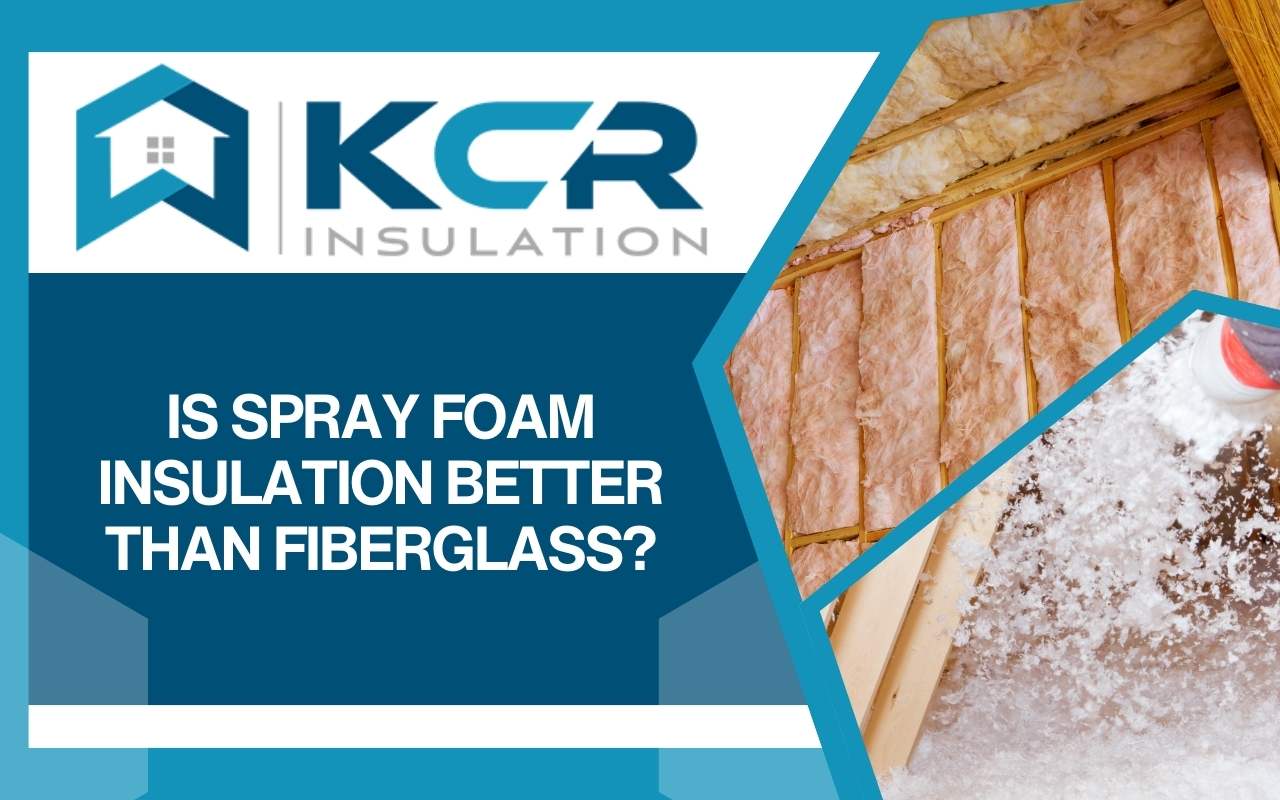
Is Spray Foam Insulation Better Than Fiberglass?
Homeowners and property managers often ask, “Is spray foam insulation better than fiberglass?” Choosing the right insulation affects energy efficiency, long-term costs, and overall comfort in any building. Both materials have their advantages, but the best choice depends on your…

How to Dispose of Fiberglass Insulation the Right Way
Many homeowners and business owners eventually face the challenge of removing old insulation. You’re not alone if you’ve ever wondered, “How to dispose of fiberglass insulation?”. Simply throwing it in the trash isn’t always the best solution—some disposal methods can…
Is Fiberglass Insulation Flammable? Understanding the Risks
One of the most common concerns homeowners and property managers have is, “Is fiberglass insulation flammable?” Since insulation is installed in walls, attics, and other enclosed spaces, fire safety is critical when choosing materials. Fiberglass insulation is naturally non-combustible, meaning…
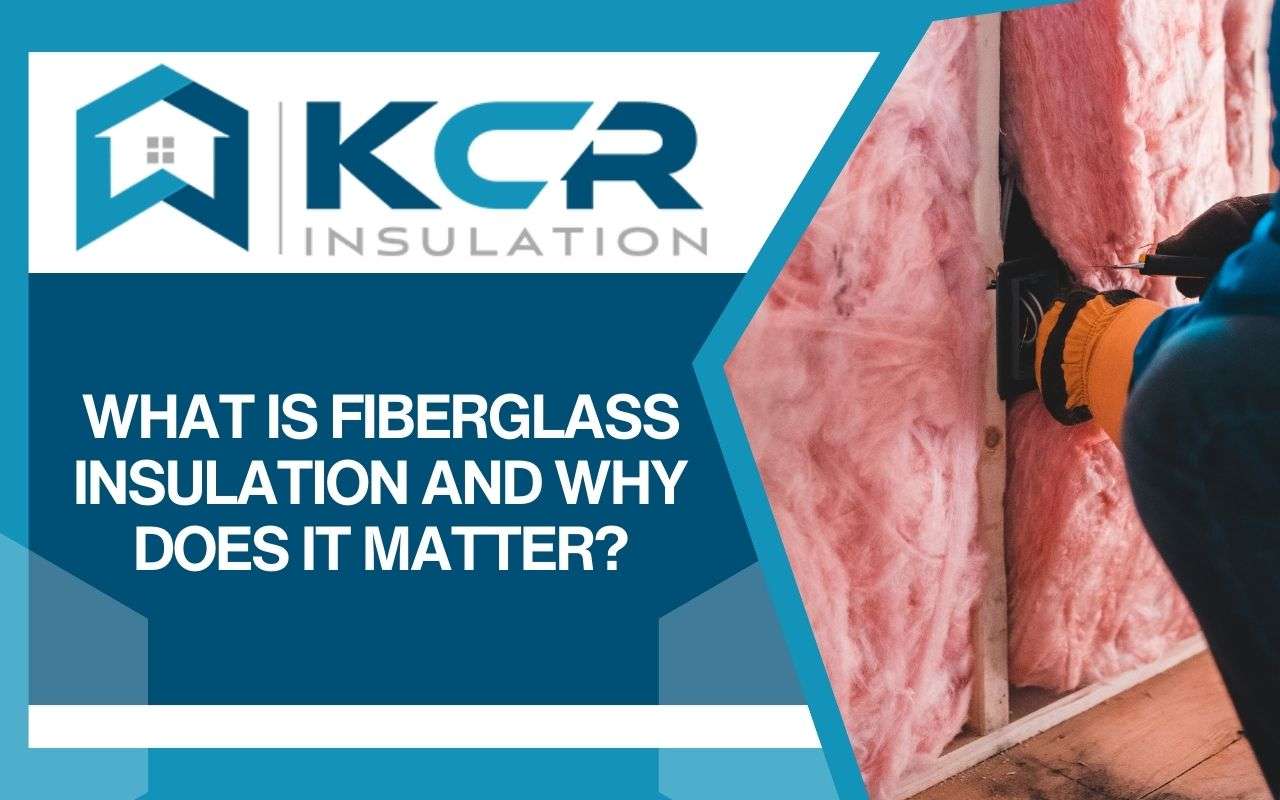
What is Fiberglass Insulation and Why Does It Matter?
Many homeowners and property managers ask, “What is fiberglass insulation?” Fiberglass insulation is a widely used material that helps regulate indoor temperatures and reduce energy costs. Made from tiny glass fibers, it creates a thermal barrier that keeps warm air…
Insulation and Air Quality: Improve Your Home’s Environment
Understanding the link between insulation and air quality is essential for creating a healthier home environment. Proper insulation not only regulates temperatures but also reduces allergens, dust, and other pollutants. This post explores how insulation enhances air quality, improving both…
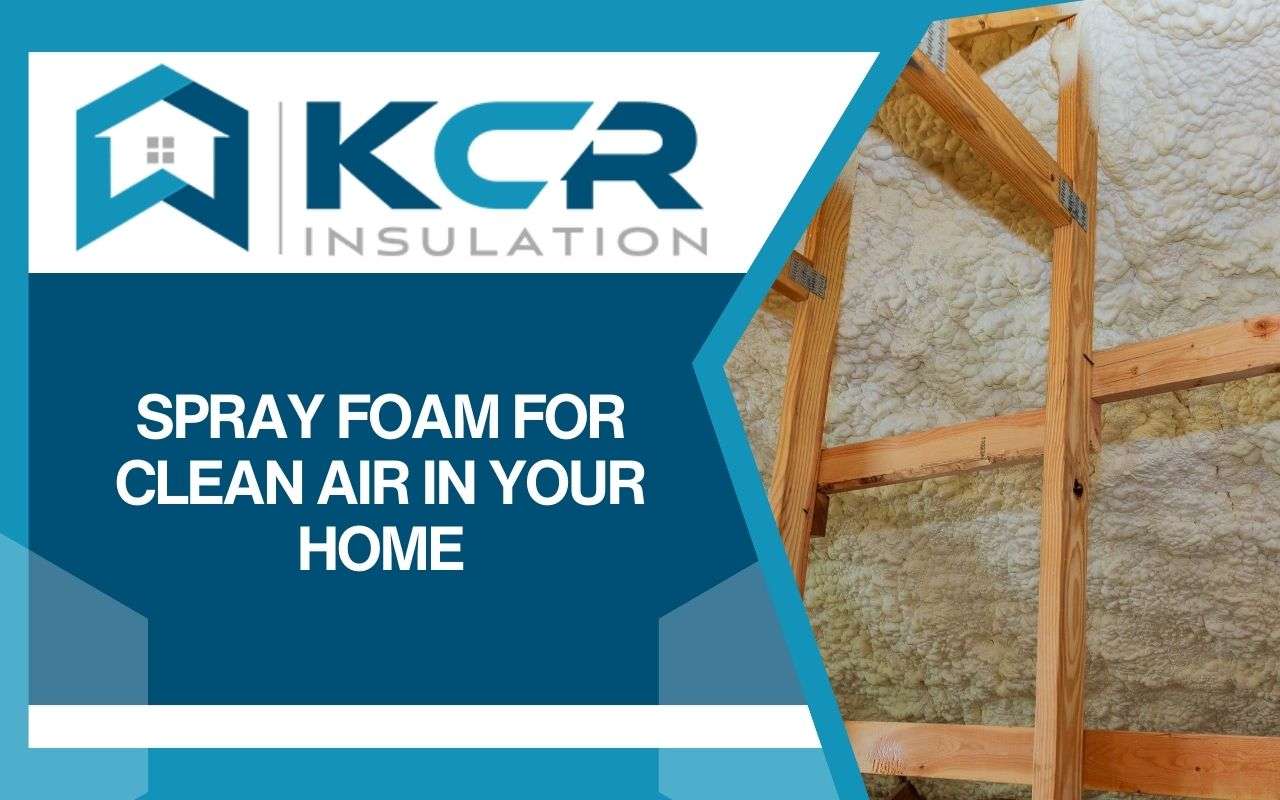
Spray Foam for Clean Air in Your Home
Using spray foam for clean air is one of the most effective ways to create a healthier home environment. Spray foam insulation seals gaps and cracks, preventing outdoor pollutants, dust, and allergens from entering your living space. This post highlights…
Reduce Allergens with Insulation for a Healthier Home
Knowing how to reduce allergens with insulation can dramatically improve your home’s indoor air quality and comfort. Insulation plays a key role in preventing allergens like pollen, dust, and pet dander from entering your living space. This post explains how…
Insulation Against Dust for a Cleaner Home
Using insulation against dust is an effective way to keep your home cleaner and healthier. Dust can infiltrate your living spaces through gaps and cracks in walls, attics, and crawl spaces, reducing air quality and causing discomfort. This post explores…