
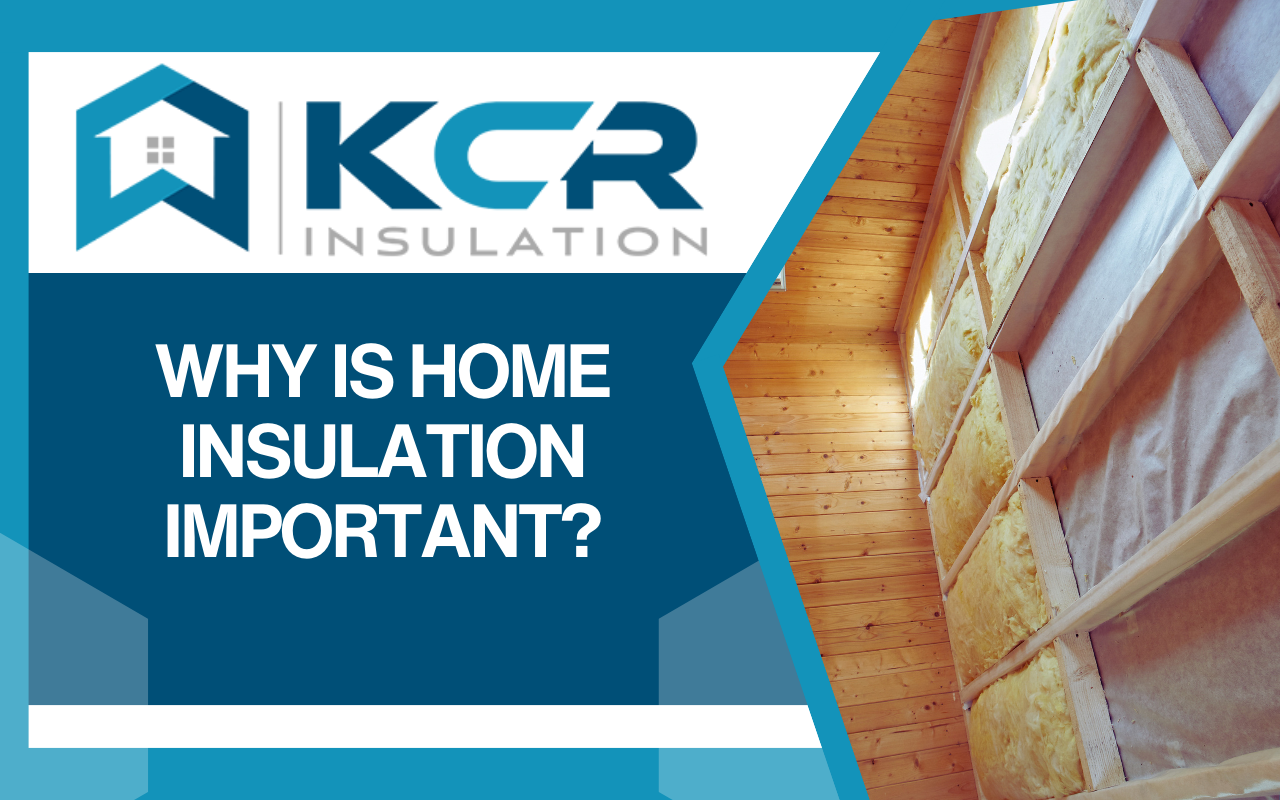
As winter winds chill and energy bills rise, the importance of home insulation becomes clear. Proper insulation keeps homes warm and energy-efficient. Moreover, it prevents unnecessary heat loss while improving comfort year-round.
Many homeowners overlook the silent hero that maintains comfort and efficiency: insulation. Understanding why home insulation is important can save money and enhance living conditions.
Insulation isn’t only for winter warmth. Effective insulation blocks summer heat, keeping cool air inside and reducing HVAC workload. Research shows it can cut heating and cooling costs by up to 20%, making it both economically and environmentally valuable.
The Basics of Home Insulation
Home insulation works by slowing heat transfer between indoors and outdoors. It traps air pockets that reduce conduction and convection. When asking, “Why is home insulation important?”, understanding this barrier is essential.
Common heat loss areas include attics, walls, floors, and crawl spaces. Gaps around windows, doors, and outlets decrease insulation performance. Proper installation maximizes energy savings and comfort.
Understanding the Key Benefits of Home Insulation
Insulation reduces energy consumption, lowering utility bills. Stable indoor temperatures also extend HVAC lifespan and reduce maintenance. Additionally, sealed cavities limit dust, pollen, and pollutants, improving indoor air quality.
Insulation acts as a sound barrier, absorbing noise from streets or nearby airports. Environmentally, it reduces greenhouse gas emissions. These benefits illustrate why home insulation is important for comfort, health, and sustainability.
For professional solutions, explore spray foam insulation in Dallas for optimal energy efficiency.
Types of Home Insulation Materials
- Fiberglass Batts and Rolls: Affordable, easy to install, effective at trapping air but can lose performance if compressed.
- Spray Foam Insulation: Available in open-cell and closed-cell types, excellent air sealing and high R-value, professional installation recommended.
- Rigid Foam Boards: Ideal for crawlspaces and basements, provides stable thermal resistance and moisture control.
Factors to Consider When Insulating Your Home
Evaluate climate zones, existing insulation, and problem areas like attics or basements. Budget and ROI influence material selection. Consider moisture control, air sealing, and indoor air quality. Low-VOC or recycled materials can reduce environmental impact.
Proper planning ensures insulation aligns with comfort goals, finances, and long-term performance. For guidance, check our full insulation services.
Significance of Proper Installation Techniques
Even premium insulation fails when installed incorrectly. Gaps and compression reduce effectiveness. Ensuring uniform coverage and sealing air leaks around windows, ducts, or wiring is critical. Professional installation maximizes comfort and energy savings.
For DIY projects, follow manufacturer guidelines, seal seams, maintain clearance, and avoid compressing batts. For spray foam, technicians must wear protective gear and apply recommended thickness. Proper installation delivers long-lasting efficiency and comfort.
Common Home Insulation Problems to Watch Out For
- Settling Insulation: Creates gaps over time; regular inspections are crucial.
- Moisture Compromise: Roof leaks or humidity can reduce effectiveness and cause mold.
- Pest Infestations: Rodents and insects can damage insulation and affect air quality.
Maximizing Energy Efficiency Through Insulation Upgrades
Strategic upgrades yield energy savings. Start with the attic, sealing hatches and ducts. Wall retrofits and basement insulation improve comfort and prevent moisture. Combined with air sealing and efficient windows, these upgrades optimize efficiency and reduce emissions.
The Impact of Home Insulation on Comfort and Savings
Properly insulated homes maintain consistent indoor temperatures, reducing HVAC cycles and noise. This promotes comfort and healthier air quality. Incentives such as tax credits and rebates can offset costs. Clearly, understanding why home insulation is important enhances energy efficiency and overall living conditions.
FAQs About Home Insulation
Why is home insulation important?
It reduces energy consumption, improves comfort, and lowers utility bills while protecting indoor air quality.
What types of insulation are best?
Spray foam, fiberglass, and rigid foam boards are common, each with unique benefits for performance and application.
How does insulation improve indoor comfort?
By stabilizing indoor temperatures, minimizing drafts, and reducing noise transmission between rooms and from outside.
Can insulation affect energy bills?
Yes, proper insulation reduces HVAC use, cutting heating and cooling costs significantly.
Does professional installation matter?
Absolutely, proper installation ensures maximum performance, efficiency, and durability over time.
Final Thoughts
Now you understand why home insulation is important. It enhances comfort, saves energy, supports sustainability, and protects health. To explore professional installation, contact our team for expert guidance today.