
When planning an insulation upgrade, one of the biggest choices you’ll face is spray foam vs fiberglass. Both are common materials, but they vary widely in performance, cost, and durability. Making the right decision depends on your budget, goals, and the spaces you’re insulating.
Before we dive into the pros and cons of each, it helps to understand what is spray foam insulation and how it works differently than traditional batts or rolls.
What Is Spray Foam Insulation?
Modern Air-Sealing and Energy Efficiency
Spray foam insulation is applied as a liquid that expands into foam. It forms an airtight seal in walls, attics, basements, and crawl spaces. Because it fills every gap, it blocks both heat and air movement.
It’s ideal for homeowners who want energy efficiency, moisture control, and better indoor comfort. For a direct comparison, check out this detailed guide: Is spray foam insulation better than fiberglass?
Spray Foam vs Fiberglass: Side-by-Side Comparison
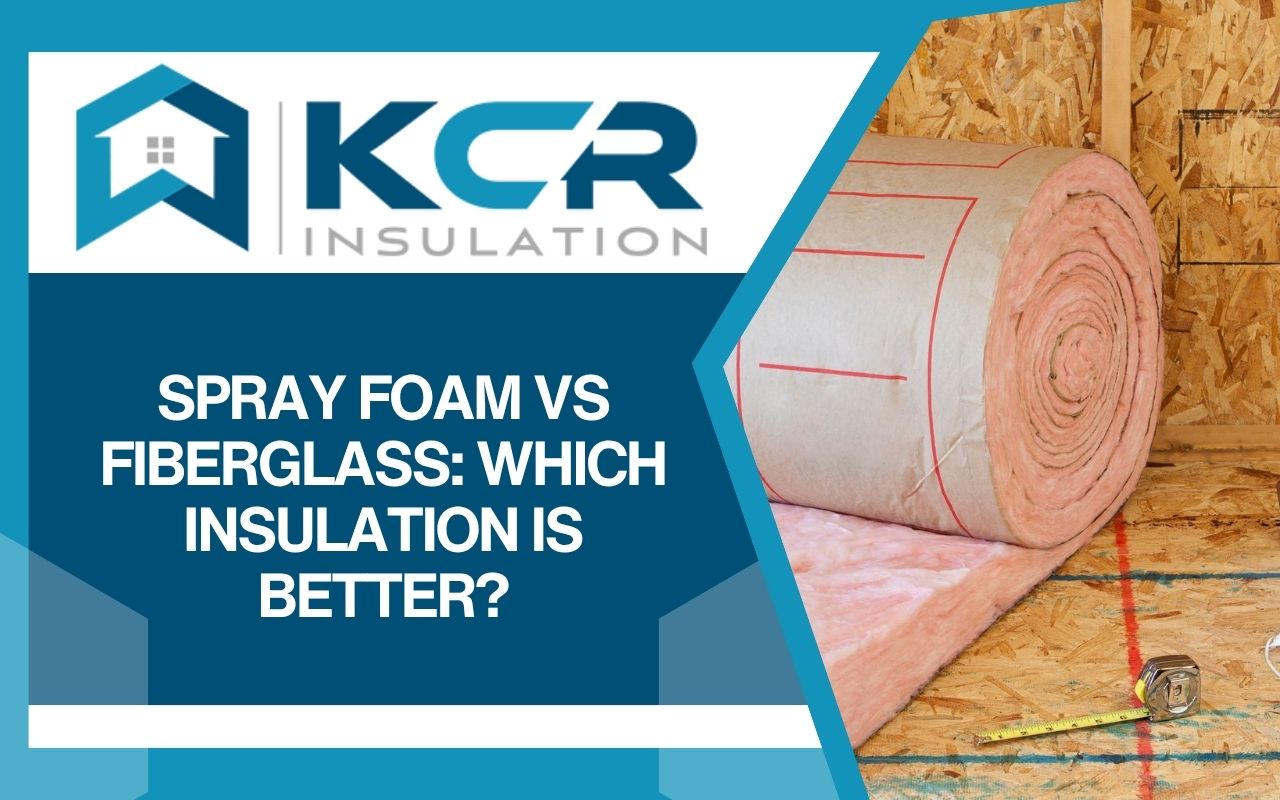
Fiberglass is one of the oldest insulation types, while spray foam is the modern alternative. Here’s how they stack up:
- Air Sealing: Spray foam creates a tight seal; fiberglass does not.
- R-Value: Spray foam offers higher R-values per inch.
- Moisture Resistance: Spray foam resists mold and moisture; fiberglass can trap moisture and deteriorate.
- Durability: Spray foam lasts decades without settling. Fiberglass can sag over time.
- Installation: Fiberglass is DIY-friendly; spray foam requires professional application.
Each material has its place, but if you’re looking for long-term energy efficiency, spray foam often comes out ahead.
When to Choose Spray Foam Over Fiberglass
In areas where air sealing is critical—like attics, crawlspaces, or rim joists—spray foam is the better choice. It performs well in both hot and cold climates and minimizes drafts and moisture. If you’re unsure what’s best for your space, check out the best spray foam insulation for homes to help narrow down your options.
Energy and Comfort Benefits of Spray Foam
One of the top reasons homeowners choose spray foam is improved indoor comfort. It helps maintain even temperatures, reduces HVAC cycling, and limits allergens. You can explore how spray foam improves indoor comfort in more detail if comfort is a top priority for you.
FAQs About Spray Foam vs Fiberglass
Which insulation is more cost-effective long term?
Spray foam has a higher upfront cost but delivers more savings over time through reduced energy bills and HVAC wear.
Can I install fiberglass now and upgrade later?
Yes, but you may end up spending more in the long run. Spray foam provides better performance upfront.
Is fiberglass bad for air quality?
It doesn’t block allergens or air movement, and disturbed fiberglass can release particles. Spray foam helps seal out pollutants.
Make the Smart Choice for Lasting Insulation
In the debate between spray foam vs fiberglass, the best choice depends on your priorities. For performance, air sealing, and durability, spray foam stands out. It’s a long-term investment that delivers energy savings, improved comfort, and moisture protection.
Contact KCR Insulation to discuss your insulation goals and find the best solution for your home.