
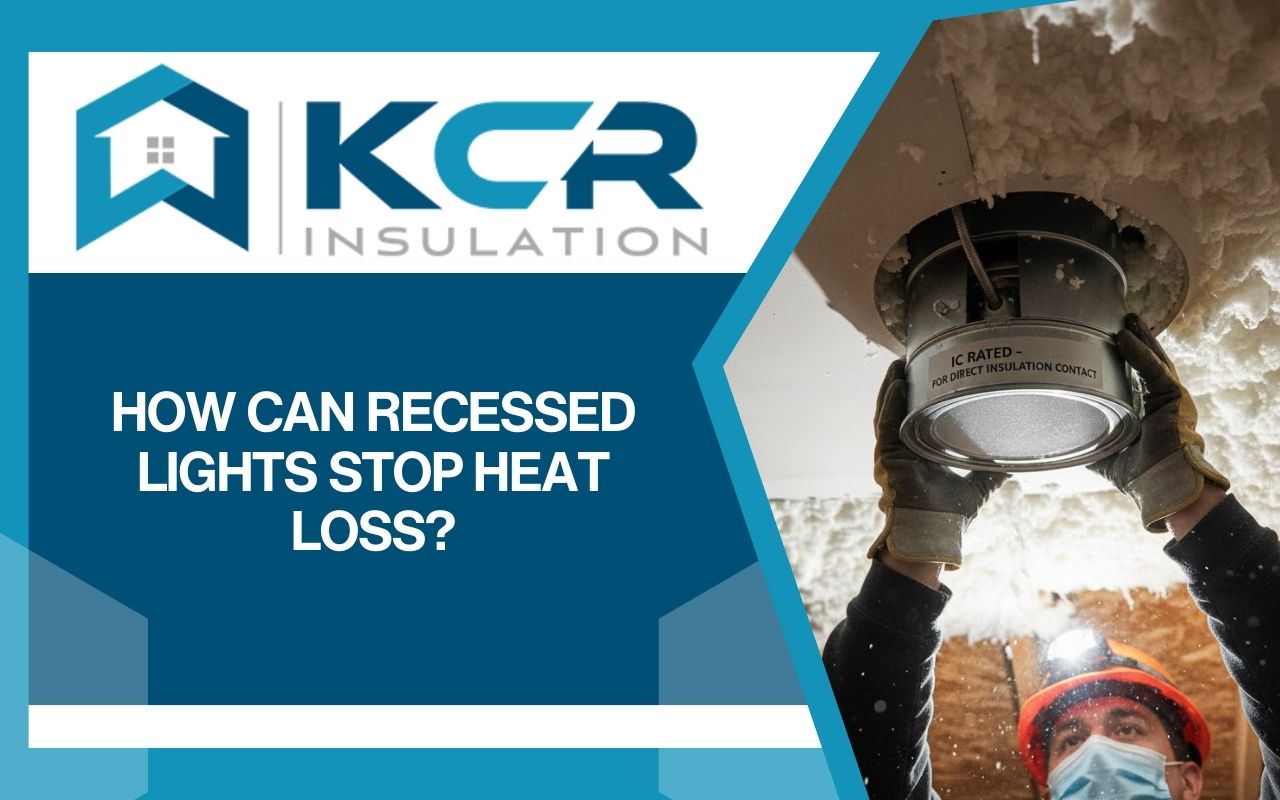
Recessed ceiling lights look clean and modern, but they can quietly drain heat and comfort from your home. When fixtures cut through the ceiling plane, they open a pathway between living areas and a cold attic. With the right ic-rated recessed lights insulation strategy, you can enjoy beautiful lighting, lower bills, and safer, draft-free rooms all year round in Texas.
How can recessed lights stop heat loss?
Recessed fixtures stop heat loss when they are IC-rated, air-tight, and fully surrounded by code-approved insulation. This combination closes gaps between your ceiling and attic, blocks drafts, and manages bulb heat safely. Pairing ic-rated recessed lights insulation with LED bulbs gives you efficient, even light without cold spots or overheating risks.
Understanding heat loss through recessed can lights
Recessed fixtures—often called can lights—sit flush with the ceiling, but the housing pierces your thermal envelope. Any gaps around the trim or housing let warm air rise straight into the attic, acting like a tiny chimney.
Over time, that air movement forces your heating system to run longer, increases energy bills, and can leave rooms feeling drafty or unevenly heated.
- Common signs of heat loss:
- Cold spots or drafts directly under recessed fixtures
- Rooms that feel chilly even when the thermostat is set correctly
- Dust rings or stains on the ceiling around trims (air leakage paths)
In severe cases, warm moist air leaking into a cold attic can lead to condensation, mold, or rot around framing, drywall, and insulation.
Why proper insulation around recessed lights matters
Insulation around recessed fixtures does more than block drafts. It helps rebuild the continuous thermal envelope your home needs to stay comfortable and efficient.
When the gap between the ceiling drywall and the housing is left open, that weak point undermines otherwise good attic insulation. Filling it correctly improves comfort and protects the structure.
With the right approach, insulation also reduces strain on your HVAC system, cuts cycling, and extends equipment life, all while lowering monthly energy costs.
IC-rated recessed fixtures and safe contact with insulation
IC (Insulation Contact) fixtures are engineered to sit in direct contact with insulation without creating a fire risk. Their housings and built-in thermal protections manage heat so the fixture can safely operate in insulated ceilings.
Modern IC-rated cans and canless fixtures are often labeled “IC” or “ICAT” (IC and air-tight) on the housing. These designs are ideal when you want ic-rated recessed lights insulation directly above conditioned rooms.
Many IC-rated fixtures also include factory gaskets or trims that act as a built-in thermal seal, reducing air leakage around the rim and improving overall performance.
Benefits of building a strong thermal barrier
Creating a continuous thermal barrier around recessed lighting improves more than just your energy bill. It transforms how every room feels and sounds.
- Comfort: Fewer drafts, more stable room temperatures, and warmer floors in winter.
- Energy savings: Less heated air escaping into the attic means your system runs less often.
- Noise control: Insulation and air sealing dampen sounds from the attic and outdoors.
- Moisture control: Reduced warm air leakage lowers the risk of condensation and mold in attic cavities.
When combined with professional attic air sealing, this barrier helps lock conditioned air inside where it belongs.
Safe retrofits for older recessed fixtures
Many older homes still have non-IC can lights that were never designed for contact with insulation. Retrofitting these fixtures safely is crucial to avoid overheating and fire hazards.
A typical upgrade includes removing outdated housings where possible, installing new IC-rated, air-tight fixtures, and then adding properly trimmed insulation. Where non-IC fixtures must remain, code requires a clear buffer between the fixture and insulation.
If you’re unsure what type of fixtures you have, a local insulation company in Plano, TX can inspect your attic, identify non-IC cans, and recommend safe upgrade options.
Enhancing energy efficiency with modern LEDs
Upgrading bulbs and fixtures at the same time multiplies your savings. LED modules produce far less heat than incandescent or halogen lamps, which helps reduce stress on housings and surrounding insulation.
When you pair LED retrofits with sealed housings and ic-rated recessed lights insulation, you gain efficient, long-lasting light while cutting wasted energy. That means fewer bulb changes and more predictable utility bills.
Choosing ENERGY STAR–rated or reputable LED brands also improves color quality and dimming performance, keeping your lighting both comfortable and practical.
Comfort, safety, and ongoing maintenance tips
Once your recessed fixtures are properly insulated, a little maintenance goes a long way toward preserving comfort and safety.
- Check the attic periodically to ensure insulation hasn’t been pushed away from housings.
- Verify that trims sit flush to the ceiling, maintaining the air seal.
- Inspect for discoloration or scorch marks that might signal overheating.
- Confirm that any added covers or enclosures are rated for your fixture type.
If you notice persistent drafts, flickering, or hot trims, schedule an inspection with a professional who understands both electrical safety and building science.
Style and layout ideas for insulated recessed lighting
Energy-smart recessed lighting can still be stylish. IC-rated housings and slim canless fixtures come in multiple trims and color temperatures, allowing you to tailor both the look and feel of each room.
To keep spaces comfortable and visually balanced:
- Use warmer color temperatures in living rooms and bedrooms for a cozy feel.
- Select wet-location trims for bathrooms and over showers.
- Install dimmers in family rooms and kitchens to fine-tune brightness.
Thoughtful placement combined with a strong thermal seal ensures that great lighting never comes at the cost of comfort.
Common mistakes to avoid when insulating recessed lights
Even well-intentioned DIY efforts can create safety issues if fixtures are not handled correctly. Avoid these frequent missteps:
- Burying non-IC cans directly in insulation, which can lead to dangerous heat buildup.
- Using spray foam around fixtures that are not approved for that product.
- Ignoring gaps between trim and ceiling that allow air leakage.
- Skipping code checks or manufacturer instructions before adding covers or insulation.
When in doubt, lean on professionals who understand local codes and fire-safety requirements instead of guessing.
How to insulate IC-rated recessed lights safely
Here is a simplified overview of how pros typically approach insulating around IC-rated fixtures. Always follow product instructions and local codes.
- Turn off power at the breaker and verify fixtures are de-energized.
- Confirm the IC rating on each housing; only IC fixtures should touch insulation.
- Air-seal the housing by caulking small gaps and installing gaskets or trims that create a tight thermal seal.
- Place insulation (batts or blown-in) snugly around and over the IC housing, maintaining even coverage.
- Check clearances around junction boxes or non-IC components that may still need space.
- Inspect performance from the living space, confirming trims sit flush and drafts are gone.
For whole-home upgrades, pairing this process with a broader plan to improve home insulation in Plano unlocks the biggest comfort and savings gains.
Frequently Asked Questions
Can a professional inspect my recessed lights and attic in Plano, TX?
Yes. The safest option is a combined insulation and air-sealing assessment. A specialist can identify non-IC cans, assess heat loss, and recommend upgrades. To schedule an inspection, simply contact us and request an attic and recessed lighting evaluation.
Do I need to replace all my old can lights to add insulation?
Not always. A technician can determine which fixtures are non-IC and need replacement, and which can be safely covered. Many homes benefit from a mix of new IC-rated fixtures, covers, and targeted air sealing rather than a full lighting redesign.
Will adding insulation around recessed lights cause overheating?
Properly installed IC-rated fixtures are designed for direct insulation contact and include thermal protection. Overheating usually occurs when insulation is piled onto non-IC cans or when fixtures are not air-tight. A pro will verify ratings and use compatible insulation methods.
Is upgrading recessed lights really worth it for energy savings?
Yes. Recessed fixtures penetrate the ceiling and can leak a surprising amount of heated air. Upgrading to LED, air-tight IC fixtures, and adding insulation often reduces drafts and trims utility bills, especially in rooms with many can lights or in homes with older construction.
How can I get a quote for insulating my recessed lights?
Gather a count of recessed fixtures, note which rooms feel drafty, and share this information with your contractor. A quick conversation and attic check are usually enough to build an accurate quote. You can start the process by filling out the form on our contact us page.
Achieving a balance between illumination and insulation
The goal is never to choose between comfort and design. With modern fixtures, air-tight trims, and ic-rated recessed lights insulation installed to code, you can enjoy sleek, bright rooms that stay consistently warm in winter and cool in summer.
Whether you’re planning a remodel or updating a single drafty room, partnering with experienced insulation specialists ensures your lighting upgrades are safe, efficient, and built to last.
References
- How to Insulate Around Recessed LED Fixtures – This Old House