
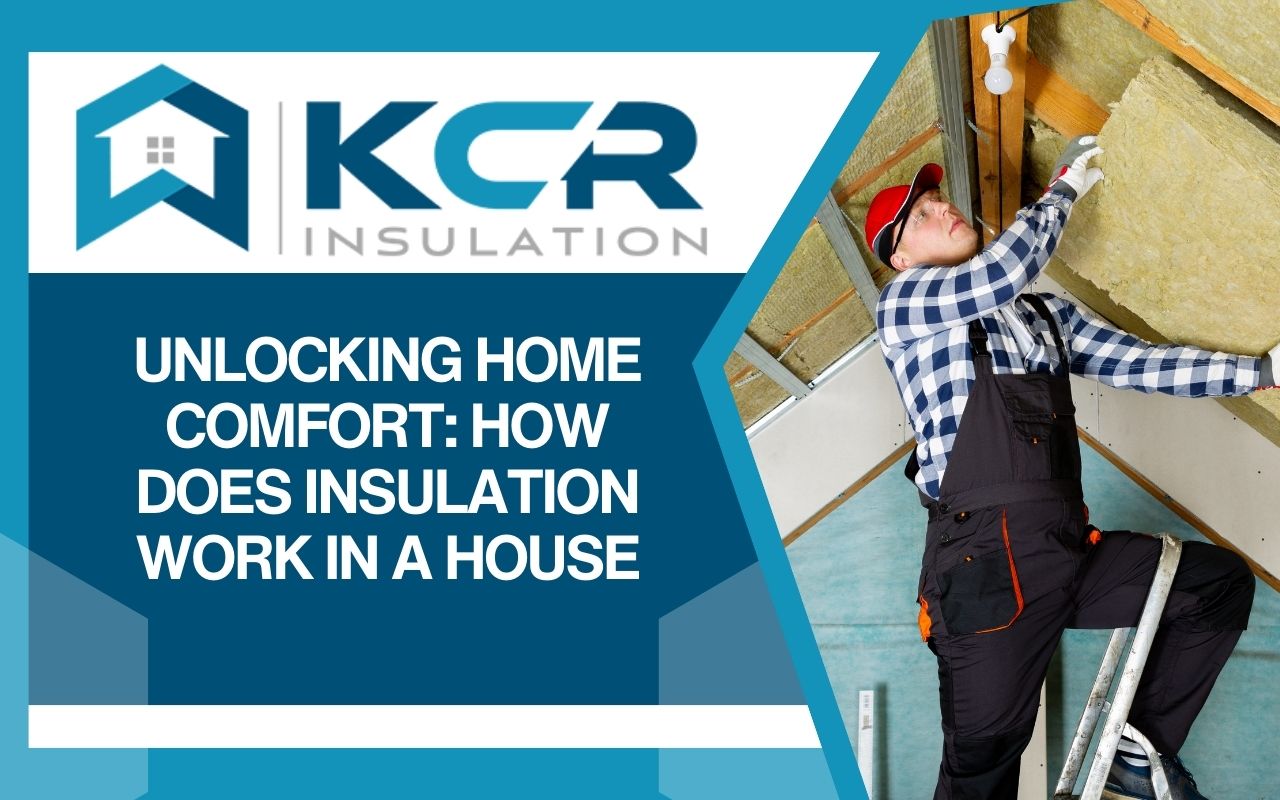
Imagine stepping into a cozy home on a chilly winter day, where the warmth embraces you immediately. This comfort is possible thanks to insulation.
While not glamorous, understanding insulation greatly impacts comfort and energy bills. Moreover, knowing how does insulation work in a house can transform efficiency.
Many homeowners overlook insulation hidden within walls. Yet, it maintains a stable indoor environment and reduces unwanted heat loss year-round.
By exploring how does insulation work in a house, you’ll discover strategies to improve efficiency, sustainability, and long-term savings.
The Basics of Insulation
Insulation slows heat transfer between areas. It is placed in walls, attics, floors, and ducts, creating protective barriers against heat flow.
Understanding how does insulation work in a house means recognizing heat moves naturally through conduction, convection, and radiation.
Insulation interrupts these processes by trapping air pockets or reflecting surfaces. As a result, comfort and efficiency significantly improve.
For professional installation and reliable solutions, explore our insulation services designed to meet every homeowner’s needs.
Types of Insulation Materials
- Fiberglass: Affordable and common, installed as batts or loose-fill. Careful placement prevents gaps and compression.
- Cellulose: Eco-friendly, made from recycled paper, and provides strong performance when densely packed.
- Spray Foam: Expands to seal cavities, creating an airtight barrier. See spray foam insulation in Dallas for details.
- Rigid Foam Boards: Provide consistent R-values. Suitable for exterior walls, foundations, and under slabs.
- Radiant Barriers: Reflect radiant heat, making them especially effective in attics in hot climates.
How Insulation Prevents Heat Transfer
Heat travels by conduction, convection, and radiation. Insulation minimizes all three, ensuring stable indoor comfort and reduced energy use.
For example, fiberglass blocks conduction, sealed air pockets stop convection, and radiant barriers reflect heat. Together, they maximize efficiency.
Installation Techniques for Effective Insulation
Proper installation ensures insulation works as intended. Loose-fill fills irregular spaces, while batts must be precisely cut to fit cavities.
Spray foam requires professional equipment. Rigid boards need sealing at seams. Each technique contributes to better insulation performance.
Need expert guidance? Reach out via our contact page to schedule personalized insulation support.
Common Insulation Problems and Solutions
Gaps and compression create thermal bridges, allowing heat loss. Settled loose-fill leaves voids. Moisture infiltration lowers insulation performance significantly.
Solutions include sealing leaks, replacing damaged insulation, installing vapor barriers, and preventing pest issues with proper safeguards.
Importance of Proper Insulation Maintenance
- Visual Inspections: Check attics and crawl spaces regularly for gaps, discoloration, or pest damage.
- Prompt Repairs: Replace or add insulation when needed. Fix leaks to prevent mold growth.
- Long-Term Savings: Maintenance preserves insulation performance and reduces energy bills over time.
Innovations in Insulation Technology
Modern products enhance performance. Aerogel blankets provide superior R-values. SIPs reduce thermal bridging. Phase change materials regulate temperatures.
Smart insulation adapts to humidity. Bio-based foams use recycled materials, reducing environmental impact while increasing efficiency.
FAQs About Insulation
How does insulation work in a house?
Insulation slows heat transfer through walls, floors, and ceilings. It reduces energy waste, maintains comfort, and lowers heating and cooling needs.
What is the most effective type of insulation?
Spray foam insulation is highly effective because it seals air leaks while providing excellent R-values, ensuring superior thermal performance.
How often should insulation be checked?
Experts recommend inspections every few years, or after severe weather events, to catch early signs of damage or settling.
Can I install insulation myself?
Yes, basic insulation like batts can be DIY. However, spray foam and advanced methods require professional equipment and expertise.
Maximizing Home Comfort with Quality Insulation
Pair insulation with efficient windows, HVAC zoning, and air-sealing for best results. Energy audits identify upgrades for maximum return.
Rebates often offset costs. Ultimately, insulation boosts property value and reduces energy impact. It’s a wise investment for every homeowner.