
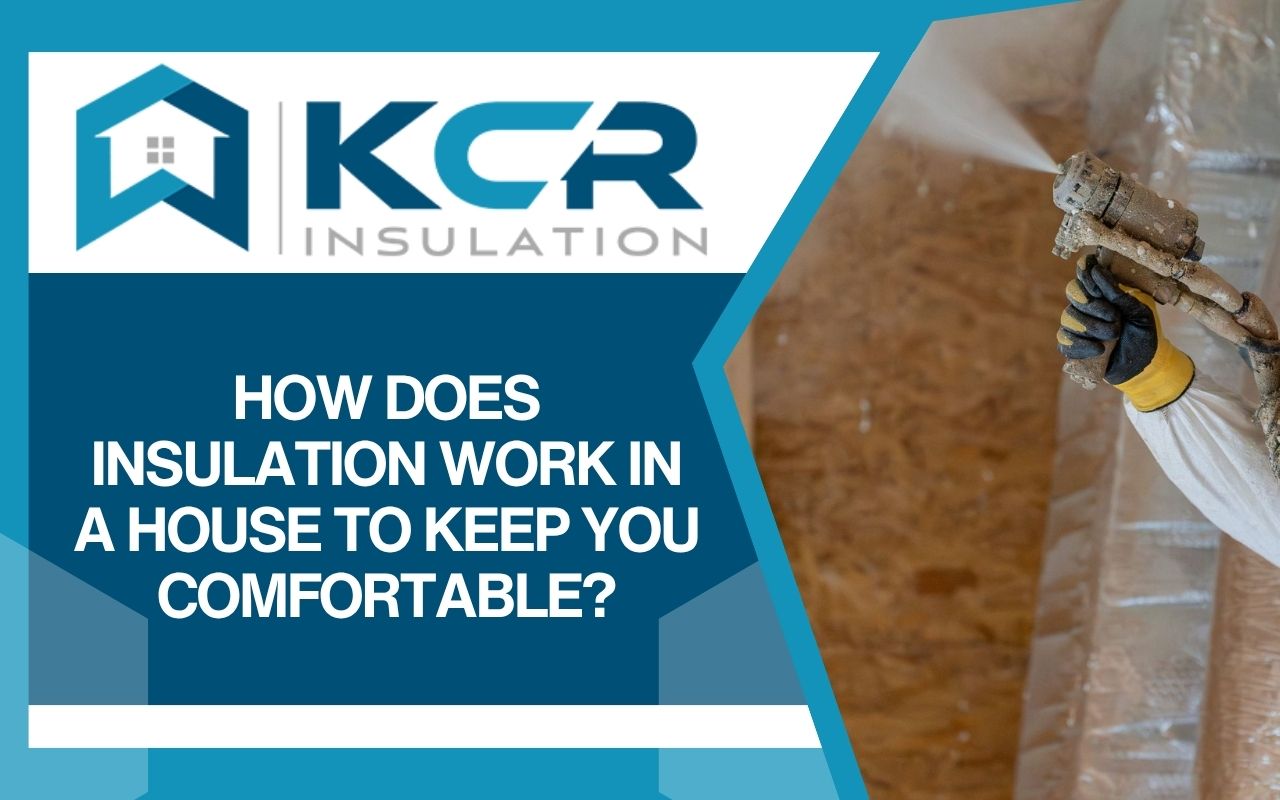
How does insulation work in a house to maintain comfort year-round? It all comes down to reducing heat transfer between indoor and outdoor environments. Spray foam insulation is one of the most effective solutions for sealing gaps, controlling temperatures, and improving energy efficiency.
But what is spray foam insulation exactly? Why is it different from traditional materials? And how can it improve your daily comfort? Let’s explore these questions and more.
How Does Insulation Work in a House?
Understanding the Basics of Insulation
Insulation creates a barrier between the inside of your home and the outdoor environment. It helps keep warm air inside during the winter and blocks hot air from entering during summer. This process works by reducing heat flow—through conduction, convection, and radiation.
Different materials offer varying levels of resistance to heat flow, measured by R-value. The higher the R-value, the better the insulation performs. Spray foam offers one of the highest R-values available for residential homes.
Types of Heat Transfer Insulation Blocks
- Conduction – When heat moves through solid materials like walls and ceilings
- Convection – When air circulates and carries heat with it
- Radiation – Heat transfer through electromagnetic waves, like sunlight
A properly insulated home reduces all three, keeping rooms at a consistent temperature and easing the load on your HVAC system.
What Is Spray Foam Insulation?
A Modern Insulation Method That Seals and Protects
Spray foam insulation is made by mixing two liquid components that react and expand on contact. The foam fills gaps, cracks, and hard-to-reach areas—creating an airtight seal. This not only blocks heat but also reduces air leaks and moisture buildup.
If you’re comparing insulation options, you might want to consider whether spray foam is better than fiberglass. While fiberglass is common, spray foam is known for better air sealing, longer lifespan, and higher energy efficiency.
Types of Spray Foam Used in Homes
- Open-cell foam – Soft, spongy, and flexible. Ideal for sound dampening.
- Closed-cell foam – Dense and rigid. Offers better R-value and moisture resistance.
For help deciding between them, check out the guide on the best spray foam insulation for homes.
Benefits of Spray Foam for Homeowners
Spray foam does more than regulate temperature. Here’s what makes it stand out:
- Energy Efficiency: Reduces heating and cooling costs by sealing gaps
- Improved Comfort: Maintains consistent indoor temperature
- Moisture Control: Helps prevent mold and mildew
- Noise Reduction: Minimizes sound transfer between rooms
Many homeowners notice immediate improvements in comfort after installation. You can explore more about how spray foam improves indoor comfort in different home environments.
FAQs About Spray Foam and Insulation
What is spray foam insulation made of?
It’s created by combining polyurethane with isocyanate and polyol resin, which react and expand into foam.
Is spray foam safe for my family?
Yes, once cured, spray foam is non-toxic and safe. Professional installation ensures it’s applied correctly and safely.
How long does spray foam insulation last?
It can last over 20 years, making it a long-term investment in your home’s comfort and energy efficiency.
Ready to Improve Your Home’s Insulation?
If you’re still wondering how does insulation work in a house, now you know it starts with the right material. Spray foam delivers high performance and peace of mind, especially when installed by professionals.
Contact KCR Insulation today to schedule a consultation and make your home more energy-efficient, comfortable, and cost-effective year-round.