
After a powerful storm, it is hard to know what is happening inside your walls and attic. Hidden leaks can soak insulation, weaken framing, and quietly raise energy bills. This guide explains how to spot damage, when to call for help, and how smart home insulation maintenance keeps your home safe, efficient, and comfortable throughout Texas storms and seasonal downpours.
What should you check after a storm for insulation?
Start by checking wherever water can travel: roof, attic, ceilings, exterior walls, and floors. Look for fresh stains, damp patches, temperature swings between rooms, bubbling paint, or musty odors after the storm. These early clues help you decide whether simple drying, wet insulation removal, or a professional inspection is necessary.
Why home insulation maintenance matters after storms
Storms often push water through tiny gaps around roofs, vents, and windows, where it seeps into insulation and structural framing. Once wet, insulation loses R-value, so rooms feel drafty and energy bills climb. Long-term moisture intrusion encourages mold, wood rot, and poor indoor air quality. A clear home insulation maintenance plan after each storm protects comfort, health, and your home’s structure.
Key signs of post-storm insulation damage
Spotting insulation damage early starts with simple observation inside your home. Walk room to room and notice how each space feels, looks, and smells in the days following heavy rain or hail.
- Rooms that suddenly feel much colder or hotter than neighboring spaces.
- Water stains, yellow rings, or new discoloration on ceilings and walls.
- Drafts near outlets, baseboards, windows, or supply and return vents.
- Damp walls, bubbling paint, peeling wallpaper, or soft drywall.
- Musty or earthy smells that suggest hidden mold growth in cavities.
- Floors that feel warmer, cooler, or slightly spongy in certain spots.
When several of these signs appear together, it often means insulation has been affected and may need inspection or wet insulation removal before damage spreads.
Exterior inspection checklist after heavy rain or hail
A careful walk around the outside of your home helps you trace where water entered before you open walls or ceilings. Always prioritize safety and avoid unstable structures, downed power lines, or standing water near electrical equipment.
- Scan the roof for missing, cracked, lifted, or bruised shingles and hail hits.
- Check metal flashing, vents, and skylights for dents, gaps, and exposed edges.
- Inspect siding for cracks, holes, loose panels, or gaps at corners and seams.
- Look at soffits and fascia boards for stains, soft spots, or visible sagging.
- Confirm gutters and downspouts are intact, not clogged, and draining away from the foundation.
- Examine window and door frames for warped materials, failed caulk, or water trails.
Any spot where water can enter from outside may signal a problem inside the wall cavity or attic, guiding where you focus interior checks.
Surveying the attic for storm damage
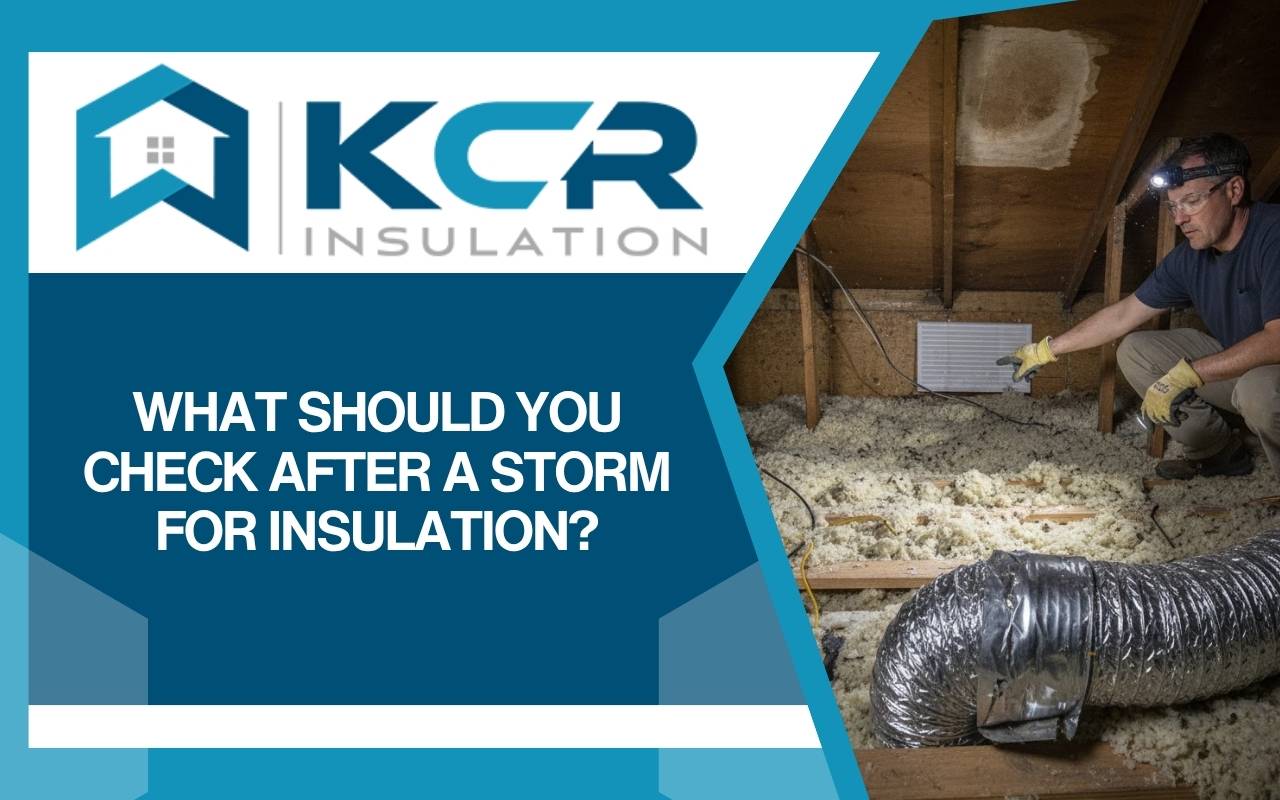
The attic is often the first place where storm-related leaks become visible. Enter carefully with sturdy shoes, a bright flashlight, and a respirator if you suspect mold. Look closely at insulation around chimneys, roof penetrations, vents, and skylights. Dark, matted, or sagging insulation usually indicates past or ongoing moisture intrusion.
Trace dark streaks or damp patches on rafters and roof decking to see how water traveled before it reached the insulation. For a structured walkthrough, follow this DIY Attic Insulation Inspection Checklist for DFW Homes so you do not miss hidden corners or vulnerable areas.
Assessing moisture levels in insulation
A moisture meter gives you clearer data than a simple touch test. Take readings on several sections of insulation and nearby wood framing, then note the values and locations. Lightly damp areas in a small zone may dry with targeted airflow and dehumidifiers, but consistently high readings across larger sections suggest deeper problems.
When readings stay elevated for days, or when materials feel heavy and waterlogged, wet insulation removal is usually safer than trying to dry everything in place. Removing damaged material, thoroughly drying the cavity, and then replacing insulation reduces the risk of mold and structural decay.
Using infrared technology for detection
Infrared scans help locate moisture that hides behind finished surfaces. A trained technician uses a thermal camera to identify cooler areas that may hold trapped water inside walls, ceilings, or floors. This non-destructive approach limits unnecessary demolition and focuses repairs on the true source of the problem.
Infrared scans are especially helpful when you suspect hidden leaks but see no visible staining, or when multiple rooms show moisture intrusion patterns. The images and reports can also support documentation for insurance claims and future inspections.
Insurance and documentation tips after a storm
Thorough documentation makes it easier for insurance adjusters to see how the storm affected your insulation and structure. Before cleanup begins, capture wide-angle photos of each room, close-ups of stains and damaged materials, and exterior shots of roof, gutters, and siding.
Record dates, times, storm details, and any temporary repairs. Moisture readings, infrared scan reports, and invoices for wet insulation removal or drying equipment provide strong evidence that damage is storm-related. Professional Home Insulation Inspections: Improve Efficiency and Comfort soon after the event create a clear record that can support your insurance discussions.
Keep all emails, adjuster notes, and recommendations in one place. Clear communication with your insurance provider helps you understand what is covered and which repairs you are responsible for.
Preventive home insulation maintenance for future storms
Once immediate repairs are complete, shift your focus to preventing the same damage from happening again. Address any structural issues the storm revealed—loose shingles, recurring leaks around vents, or undersized gutters that spill water toward the foundation.
Improve defenses against moisture intrusion by sealing gaps around windows, doors, and roof penetrations, and by repairing damaged flashing. Strengthen vulnerable areas with targeted improvements using resources like Insulation Upgrades: Boost Efficiency and Comfort at Home. If storms keep causing similar problems, explore deeper solutions with Insulation Problem-Solving: Effective Solutions for Homes to address recurring moisture paths.
Regular gutter cleaning, attic ventilation checks, and seasonal inspections build a stronger baseline so each storm has less opportunity to damage insulation and framing.
Frequently Asked Questions
How soon should I schedule an insulation inspection after a storm?
Ideally, schedule an inspection within 24–72 hours of significant wind, hail, or flooding. Early checks help catch moisture before it spreads and give you better documentation for any future claim. If you notice leaks, sagging ceilings, or musty odors, request a professional visit through our contact page as soon as conditions are safe.
What signs mean I may need wet insulation removal, not just drying?
Persistent dampness, visible mold, or heavy, collapsed insulation usually point to removal instead of simple drying. High moisture readings over several days, recurring musty smells, and staining that grows or darkens are red flags. In these cases, wet insulation removal and thorough cavity drying reduce the risk of hidden mold and future structural repairs.
Can damp insulation dry out on its own?
Lightly damp insulation in a small area may dry with good airflow and dehumidification, but saturated material rarely recovers fully. If you see clumping, matting, or lingering odor, drying alone is unlikely to restore performance. Monitor conditions closely and be prepared to replace damaged sections if temperatures, smells, or moisture readings do not improve.
When are infrared scans worth the investment?
Infrared scans are most valuable when you suspect leaks but cannot see where water is entering. They are useful after severe storms, in complex rooflines, or when past repairs have not solved recurring moisture intrusion. Thermal images reveal cold, damp zones behind surfaces so repairs are more precise and less invasive.
Does homeowners insurance usually cover storm-damaged insulation?
Many policies help with insulation damage that is directly caused by sudden events like wind, hail, or fallen branches. Coverage terms vary, so review your policy and ask your insurance representative which storm-related repairs are included. Detailed photos, inspection reports, and invoices make it easier to connect insulation damage to an eligible claim.
How to maintain home insulation after a storm
Use this simple checklist to respond calmly and effectively when heavy rain or hail passes through your area.
- Stay safe first: avoid areas with structural damage, active leaks near electrical fixtures, or downed power lines, and wait for professionals if anything looks unstable.
- Document damage immediately with photos and short videos of stains, standing water, and any exposed or fallen insulation.
- Walk the exterior to look for missing shingles, damaged gutters, dented flashing, cracked siding, and gaps around windows and doors.
- Inspect the attic and upper floors, focusing on insulation around vents, chimneys, skylights, and low-slope roof sections where water often collects.
- Use a moisture meter or arrange infrared scans if surfaces feel damp but look normal, then decide whether targeted drying or wet insulation removal is needed.
- Schedule professional home insulation maintenance if you notice recurring leaks, widespread dampness, or suspected mold so issues are resolved thoroughly, not just patched.
- Plan preventive upgrades and regular inspections before the next storm season to catch moisture intrusion early and protect your home’s efficiency.
References
Moisture Management in Basements | WATERPROOF! Magazine
Investigate Water Intrusion | ICF Builder Magazine