
Managing heat in a warm-climate home starts at the roof. If your attic bakes all day, comfort drops and energy bills climb. This guide explains how unvented attics with closed-cell foam on roof deck work, when they make sense, and what to expect from installation, costs, performance, and long-term durability in typical Southern and coastal U.S. homes, step by step.
How does closed-cell foam on roof deck work?
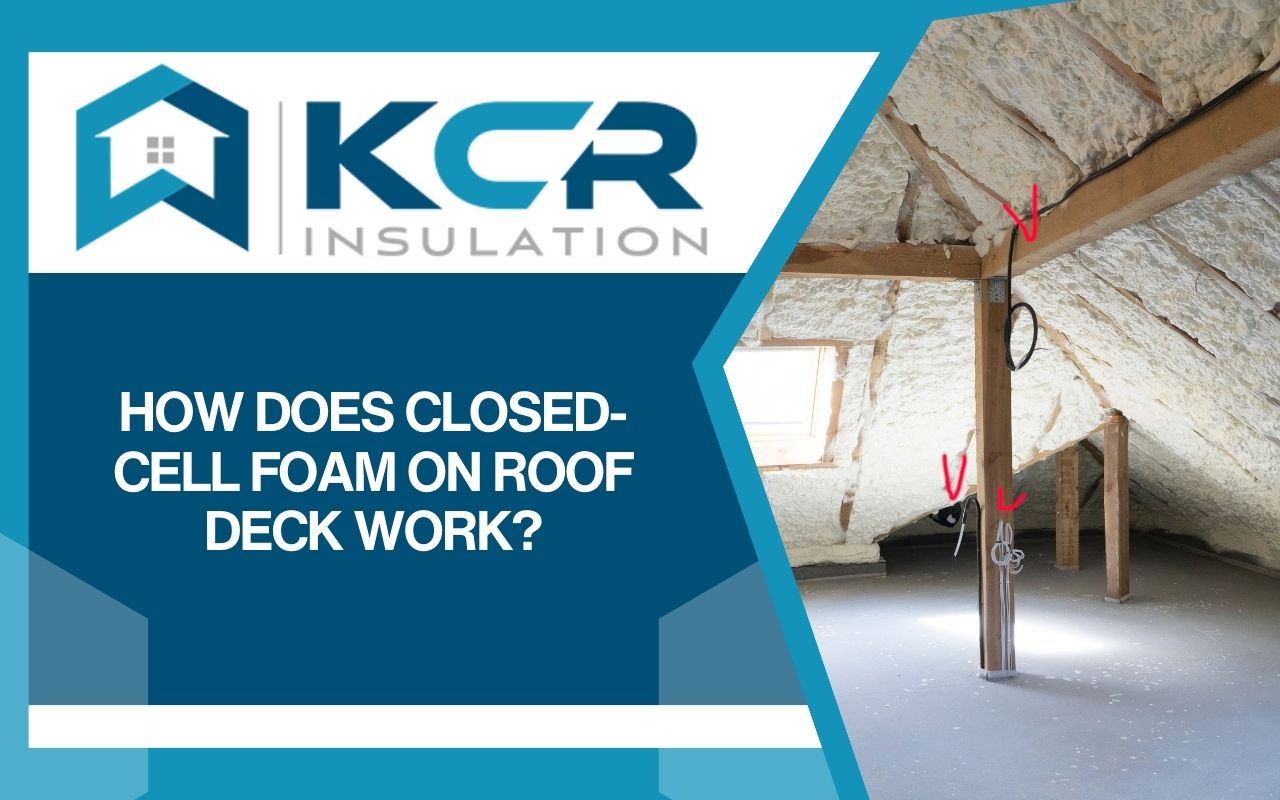
By spraying rigid, closed-cell foam directly against the underside of the roof sheathing, contractors create an airtight, moisture-resistant layer. This moves the home’s thermal boundary to the roof line, turning the attic into semi-conditioned space. The result is less heat gain, lower humidity, reduced HVAC load, and a stronger, stiffer roof assembly.
Benefits of unvented attics in warm climates
In hot regions, an unvented attic isolates your living space from extreme roof temperatures. Insulation at the roof deck keeps the attic closer to indoor conditions, which helps your air conditioner run less often and more efficiently.
- More stable indoor temperatures during long, hot afternoons.
- Lower cooling bills because your HVAC system works against less heat gain.
- Improved comfort upstairs, especially in bedrooms and bonus rooms.
- Reduced drafts and hot spots thanks to continuous air sealing.
- Quieter interiors, as dense foam helps dampen outside noise.
Homeowners in cities like Dallas often see the biggest comfort gains, because HVAC equipment and ductwork are commonly located in the attic. Encapsulating the attic with roof deck foam helps keep that equipment within the conditioned envelope. For local support, explore spray foam insulation in Dallas.
Understanding roof-deck spray foam
When installers apply spray foam to the underside of the roof sheathing, the attic becomes part of the home’s thermal and air barrier instead of a super-heated buffer zone. This unvented attic strategy eliminates the need for ridge and soffit vents and significantly cuts uncontrolled air movement through the ceiling plane.
Roof deck foam adheres tightly to wood, sealing cracks, nail holes, and seams. That adhesion not only improves energy performance, it can also stiffen the roof deck, offering better resistance to wind uplift and vibration during storms.
The science behind closed-cell foam insulation
Closed-cell spray foam is made of tiny, sealed bubbles filled with a low-conductivity gas. These cells give the material high R-value per inch and very low permeability to air and water vapor. When you use closed-cell foam on roof deck assemblies in warm, humid climates, you gain both thermal resistance and robust moisture control.
Because the cured foam is dense and rigid, it helps reduce condensation risks on the underside of the roof sheathing. The foam’s structure also resists water absorption, so brief wetting events from minor leaks are less likely to degrade its insulating performance.
Installation process for roof-deck spray foam
Roof-deck spray foam should always be installed by trained professionals using proper safety gear and ventilation. Here is a typical process they follow in existing or new homes:
- Inspection and planning: The contractor inspects the roof, attic, and mechanical systems, checks local codes, and confirms that an unvented attic is allowed.
- Surface preparation: The crew clears debris, dust, and stored items so the roof deck is clean and accessible.
- Protection and masking: Installers cover HVAC equipment, wiring, and other sensitive areas to prevent overspray.
- Mixing and spraying: Two foam components are heated, mixed, and sprayed evenly onto the underside of the roof deck, expanding to fill gaps and joints.
- Shaping and trimming: After curing, excess foam is trimmed flush with rafters so finishes or inspections are not obstructed.
- Final checks: The contractor verifies thickness, coverage, ventilation strategy for the house, and safe re-entry times for occupants.
Cost and return on investment
Roof-deck spray foam usually costs more upfront than fiberglass batts or blown-in insulation, but it can deliver meaningful savings over time. Unvented attics often reduce cooling loads, shorten AC runtimes, and improve comfort in rooms that were previously hard to cool.
- What affects cost? Roof size and complexity, foam thickness, climate zone, and accessibility of the attic.
- Where do savings come from? Lower monthly utility bills, fewer HVAC repairs, and longer equipment life due to reduced strain.
- Additional value: Quieter interiors, upgraded building performance, and improved buyer appeal when selling the home.
Many homeowners consider the project when replacing roofing or upgrading mechanical systems so costs can be coordinated and downtime minimized.
Comparing unvented and traditional attics
Traditional attics rely on vents to remove hot air while insulation sits on the attic floor. The roof deck still heats up dramatically, and ducts running through that space are exposed to extreme temperatures. This can lead to uneven rooms, drafts, and higher energy use.
In an unvented attic, insulation follows the slope of the roof, and the attic stays much closer to indoor temperatures. Roof deck foam limits air leakage and keeps ducts within the conditioned envelope, which often results in more predictable comfort upstairs and simpler air-sealing details at the ceiling line.
Maintenance and longevity of unvented attics
Once installed, spray foam under the roof deck generally requires little maintenance. Homeowners should continue regular roof inspections, monitor for leaks after major storms, and quickly repair any damaged shingles or flashing.
Because closed-cell foam on roof deck surfaces resists moisture, pests, and settling, it typically maintains its R-value for decades. Keeping gutters clear and ensuring proper drainage around the home further protects the roof structure and helps the insulation system reach its full life span.
Energy efficiency and environmental impact
An unvented attic with roof deck foam can significantly reduce heat transfer into the home. That means your air conditioner can be smaller, run less frequently, or both. Over the life of the system, the energy savings often outweigh the embodied energy of the foam itself.
By lowering overall electricity use, you indirectly reduce greenhouse gas emissions from power generation. In combination with efficient HVAC equipment and air sealing in walls and floors, this strategy supports a high-performance, low-leakage building envelope.
Real-world results in warm climates
In many hot-climate projects, homeowners report cooler upstairs spaces, quieter rooms, and noticeably lower summer electric bills after converting to an unvented attic. Builders also appreciate the way spray foam simplifies difficult air-sealing details at roof intersections and wall-to-roof transitions.
When combined with modern windows, proper shading, and right-sized HVAC systems, closed-cell foam on roof deck assemblies can be a key component in building durable, comfortable homes that stay resilient during extended heat waves.
Frequently Asked Questions
Is an unvented attic safe for my warm-climate home?
Yes, when designed and installed correctly by qualified professionals and in compliance with local building codes, unvented attics perform very well in hot climates. It is important to evaluate roof condition, HVAC design, and moisture management before committing to this strategy.
How much does roof deck foam cost compared with other options?
Upfront costs are usually higher than fiberglass or cellulose, but the system combines insulation and air sealing in a single step. Over time, many homeowners see lower utility bills and fewer comfort complaints, which can make the overall investment competitive with or better than traditional approaches.
Can I convert my existing vented attic to an unvented design?
In many homes, yes. A contractor can seal the vents, insulate the roof deck with spray foam, and verify that the home’s HVAC and ventilation strategy still meet code and comfort goals. To discuss your specific attic and roof, you can contact our team for a tailored assessment.
Should I choose open-cell or closed-cell foam for my roof deck?
Both products have uses, but dense foam is often preferred at the roof deck in hot, humid climates because it adds rigidity and strong moisture resistance. Learn more about the differences in open vs closed-cell spray foam before deciding.
What other benefits come with spray foam in the attic?
Beyond energy savings, homeowners often enjoy quieter interiors, reduced dust, and fewer drafts. For a broader overview, see the guide to spray foam insulation benefits, and then schedule a consultation to see how these advantages apply to your home.
Resumen en español: áticos no ventilados
En climas cálidos, sellar el ático y aislar directamente bajo las tablas del techo con espuma de celda cerrada ayuda a mantener la casa más fresca y estable. El equipo de climatización trabaja con menos esfuerzo, las habitaciones superiores se sienten más cómodas y la estructura del techo gana rigidez y mejor protección frente a la humedad.