
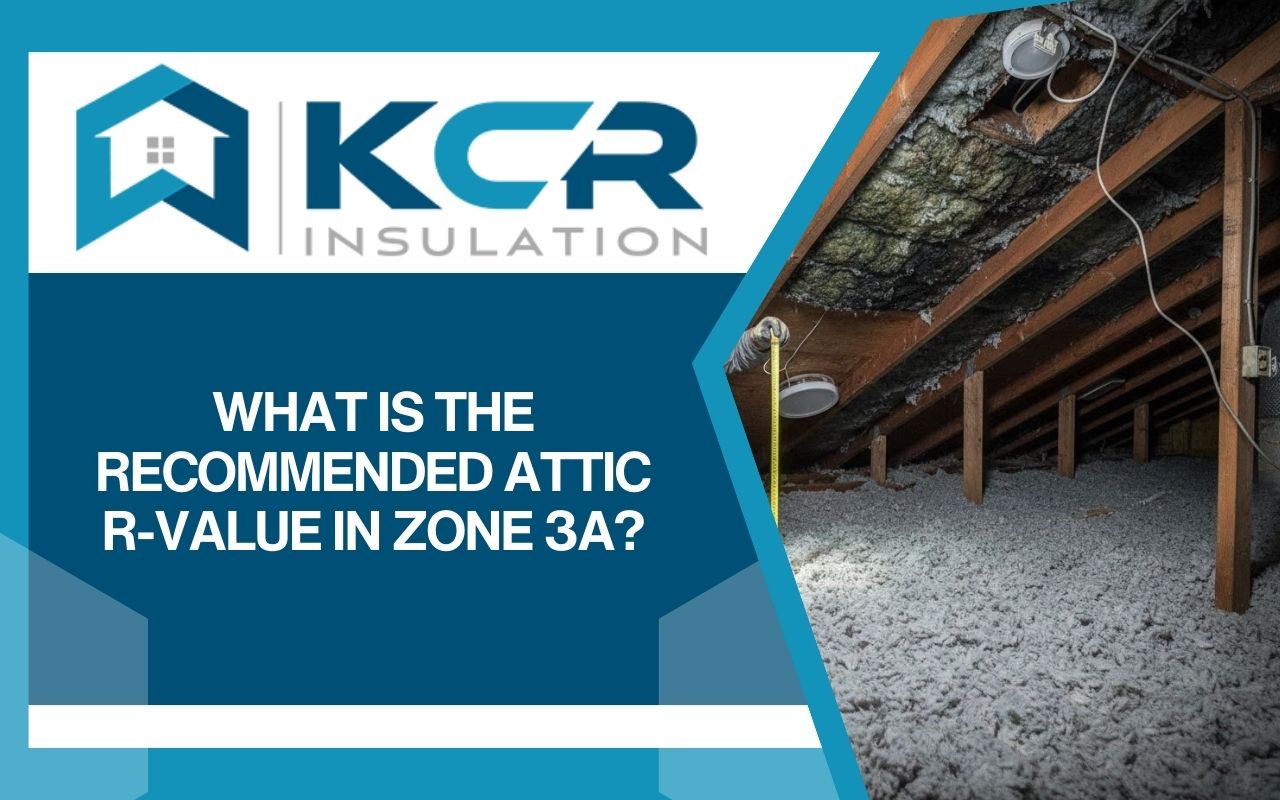
Choosing the right attic insulation for a Dallas home is more than a comfort upgrade; it is a code and energy decision. With hotter summers, changing building standards, and rising electricity costs, understanding the recommended attic R-value zone 3A helps homeowners plan smart upgrades before 2026. This quick guide outlines climate basics, code requirements, and upgrade options for Texas homeowners.
What is the recommended attic R-value in Zone 3A?
Most Dallas homes fall in climate Zone 3A, where energy codes point to attic levels between R-30 and R-60. For typical vented attics, many contractors target around R-38 in Texas to balance comfort, cost, and future code readiness. That level aligns well with IECC 2021 guidance and current Dallas code expectations.
- Climate Zone 3A attics generally need R-30 to R-60 insulation.
- R-38 in Texas is a common target that supports energy savings and comfort.
- Higher R-values may be recommended for complex roof designs or hot roofs.
Why attic R-value matters in Dallas homes
Dallas experiences long, humid summers and short but sharp cold snaps. Heat can build up in the attic well above outdoor temperatures, driving cooling costs higher. In winter, warm air escapes through under-insulated ceilings. A well-insulated attic slows these swings, keeping living spaces more stable and comfortable.
Reviewing local climate data and a trusted Dallas weather and insulation guide helps homeowners understand how insulation works with everyday conditions. When your attic meets modern IECC 2021 targets, your HVAC system runs fewer, shorter cycles, which can extend equipment life and reduce repairs.
- Reduced hot spots and cold rooms throughout the house.
- Lower strain on air conditioners and furnaces during peak weather.
- Improved indoor air quality when paired with effective air sealing.
IECC 2021 and Dallas code basics
The IECC 2021 raised expectations for thermal performance in every climate zone, including Zone 3A. Local Dallas code typically references those standards or similar ones, so an attic that was “good enough” a decade ago may now fall short. Upgrading insulation is often the simplest way to get closer to current requirements.
IECC 2021 and Dallas code both emphasize whole-house performance. That means attic insulation, wall insulation, windows, and mechanical efficiency all work together. Pairing proper R-values with good duct design and regular tune-ups, as explained in insulation and HVAC efficiency tips, helps unlock the full benefit of your investment.
In practice, many North Texas homes that move toward an R-38 attic level see noticeable improvements in comfort and energy stability, especially in rooms directly under the roof.
How to choose the right attic insulation level in Dallas
Choosing the best attic R-value is easier when you follow a clear, step-by-step approach instead of guessing based on old rules of thumb.
- Measure what you have now. Note insulation depth, type (fiberglass, cellulose, or spray foam), and any bare spots or compressed areas.
- Compare your current level to current IECC 2021 recommendations for Zone 3A and local Dallas code requirements. If you are well below R-30, an upgrade is usually urgent.
- Decide whether you want to reach or approach r-38 texas levels. Blown-in fiberglass or cellulose can be added over existing insulation when it is dry and in good condition.
- Address air leaks before adding more material. Professional attic air sealing services can close gaps around light fixtures, plumbing penetrations, and attic hatches.
- Choose the right material mix. Traditional loose-fill works well for many homes, while the benefits of spray foam insulation include higher R-value per inch and built-in air sealing for certain assemblies.
- When you are ready, schedule your attic insulation estimate to confirm pricing, options, and potential savings with a local specialist.
Frequently Asked Questions
How much attic insulation do I need in Dallas under IECC 2021?
Most homes in Dallas fall in Zone 3A, where IECC 2021 points to attic levels generally between R-30 and R-60, depending on roof design and construction details. Many homeowners aim for around R-38 to stay competitive with newer builds and to prepare for future updates to Dallas code requirements.
Can I just add more blown-in insulation to reach R-38 in Texas?
Often, yes—topping up loose-fill is a cost-effective way to reach r-38 texas levels, provided the existing insulation is dry, clean, and not badly compressed. For best results, seal air leaks first using professional attic air sealing services so the added insulation can perform as designed.
Do I need a professional to meet the recommended attic R-value zone 3A?
Homeowners can rent equipment and attempt DIY upgrades, but hitting the recommended levels consistently—especially around edges, can lights, and ductwork—can be challenging. A local installer familiar with IECC 2021 and Dallas code will verify coverage, protect ventilation paths, and safely reach target R-values. You can easily schedule your attic insulation estimate to explore options.
Will upgrading attic insulation lower my energy bills quickly?
Many households see noticeable bill reductions within the first season after an attic upgrade, particularly when insulation is combined with duct sealing and HVAC optimization. Reviewing insulation and HVAC efficiency tips can help you plan improvements that shorten the payback period and maximize comfort.
When is the best time of year to upgrade attic insulation in Dallas?
Spring and fall are ideal because attics are safer and more comfortable to work in before peak heat arrives. Scheduling upgrades then helps ensure your home is ready for summer extremes and winter cold snaps. If you want to be prepared before next season, simply schedule your attic insulation estimate in advance.
Maintaining attic insulation performance
Insulation is not a “set it and forget it” upgrade. Over time, pests, moisture, or stored items can damage or compress material, lowering effective R-value. A quick annual inspection helps you spot dark stains, bare patches, or disturbed batts before they turn into persistent hot spots or drafts.
Air sealing and ventilation are just as important as insulation depth. Consider periodic checks of baffles, soffit vents, and penetrations in combination with professional attic air sealing services. Addressing minor issues early keeps your home closer to the recommended attic R-value zone 3A as standards evolve.