
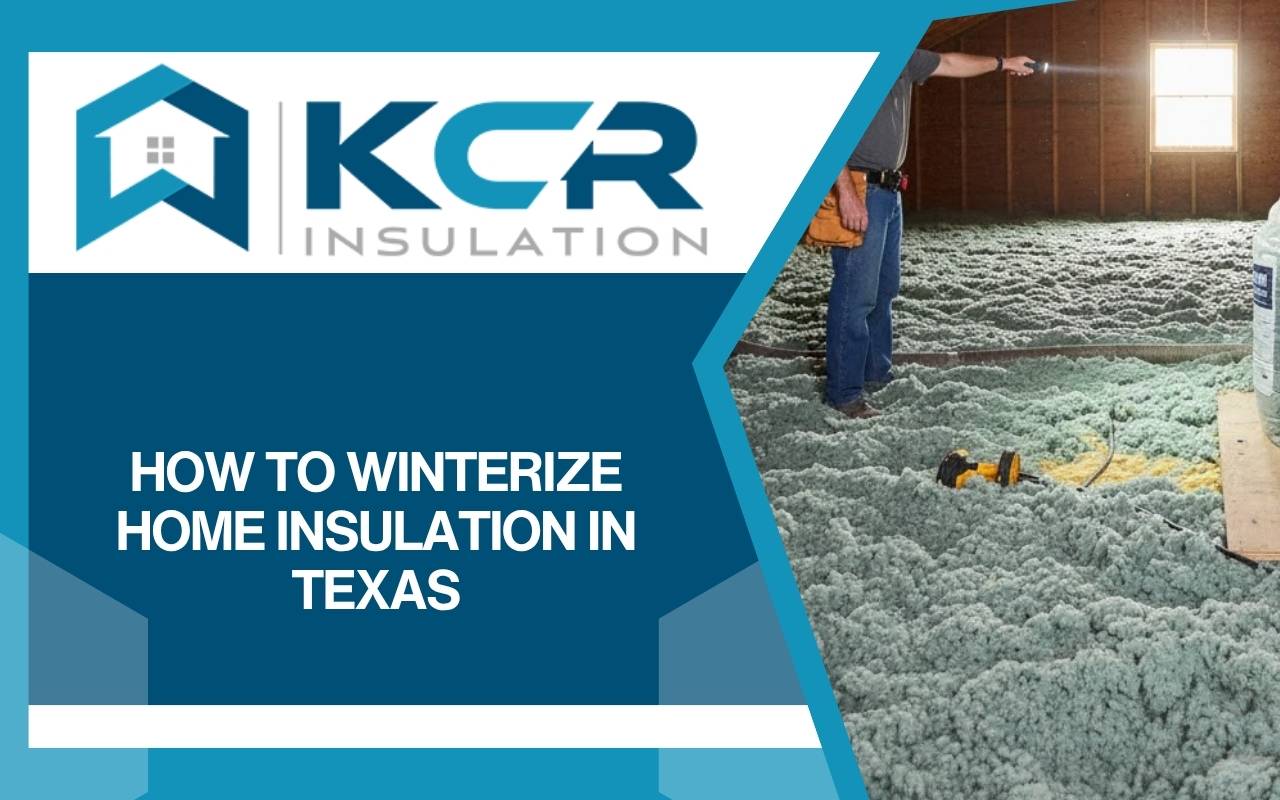
Texas may be known for scorching summers, but sudden blue northers can still shock under-insulated homes. Preparing before the first cold snap helps you stay comfortable, avoid frozen pipes, and lower energy bills. This guide explains how to winterize home insulation texas, seal drafts, and spot weak areas so your house is ready for the next freeze of the season.
How to Winterize Home Insulation in Texas
To winterize a Texas home, seal air leaks, improve attic and wall insulation, and protect exposed plumbing before the first hard freeze. Focusing on attics, exterior walls, doors, windows, and pipes in unheated areas helps stabilize indoor temperatures, reduce energy use, and prevent cold-weather damage.
Why winter prep matters before the first cold snap
Even if winters feel brief, a hard freeze can expose weak insulation and hidden drafts. When warm air slips through gaps, your heating system works harder and bills climb.
Preparing early lets you spread tasks over several days instead of rushing during the first icy morning. This timing also makes it easier to compare materials and choose better, longer-lasting solutions.
- Lower the risk of frozen pipes and water damage.
- Improve comfort during short but intense cold snaps.
- Reduce energy waste and protect HVAC equipment.
Early planning also keeps your family safer during extreme weather and gives you time to get professional help if you discover bigger issues.
How to assess current insulation levels
Start with a simple walk-through on a cool or windy day. Notice which rooms feel colder or draftier than others, and where floors or walls feel especially chilly.
- Compare temperatures between rooms on the same thermostat setting.
- Note rooms that warm up slowly or cool quickly.
- Check ceilings, exterior walls, and floors over garages or crawl spaces.
- Lightly touch walls on cold days to find cool patches that suggest thin insulation.
If you have an infrared temperature tool, scan surfaces and mark suspicious areas with painter’s tape. This careful review gives a clear picture of your home’s weak points for any winterize home insulation texas plan.
When you reach the attic, look closely around attic hatches, access panels over tubs, and closet openings. Gaps, loose covers, or missing weather seals here are common heat loss spots that are quick and affordable to improve.
How to seal air leaks around windows and doors
On a breezy day, move your hand slowly around window and door frames to feel for cool air. Also look for daylight shining through joints, which clearly signals open cracks.
- Mark leaky spots with painter’s tape or a sticky note.
- Use flexible caulk for small, steady gaps around frames.
- Install fresh weatherstripping where existing seals are brittle or missing.
- Add clear plastic film or a window insulation kit for older, drafty windows.
Because these small upgrades reduce drafts, they directly support your insulation strategy and ease strain on your heater. For a broader checklist of seasonal changes that complement sealing work, you can explore keep homes warm in winter.
How to insulate attic spaces efficiently
Move to the attic and step only on joists or safe boards, using a bright flashlight to inspect corners and edges. Pay special attention around vents, chimneys, light boxes, and access openings, where even tiny gaps can leak large amounts of warm air.
- Measure insulation depth in several locations and compare it to local recommendations.
- Fill shallow spots so they match deeper sections, creating an even blanket.
- Seal open joints around pipes and wires with foam or caulk.
- Keep soffit vents clear to maintain healthy airflow and avoid moisture problems.
To tighten the attic further, add firm foam panels or spray foam around the access opening and install a snug insulated cover over attic hatches. This step reduces wasted energy and makes the living space below feel more consistent from room to room.
How to protect pipes from freezing in Texas
After improving attic insulation, turn your attention to water lines in garages, crawl spaces, exterior walls, and other unheated areas. In Texas, these pipes are often more exposed because homes are designed for heat rather than cold.
- Wrap each exposed pipe with pipe wrap or foam sleeves, especially near vents and thin walls.
- Secure insulation with tape or zip ties so it stays in place during temperature swings.
- Open cabinet doors under sinks along exterior walls during extreme cold to let warm air circulate.
- Let faucets drip slightly on the coldest nights to keep water moving.
These simple steps can dramatically lower the risk of burst pipes and unexpected repair costs during a sudden freeze.
How to stop drafts with door sweeps
Look at the space under each exterior door during daylight. If you see light or feel cold air, the gap is likely too large and invites drafts into your home.
- Measure the door width and select quality door sweeps with a rubber or soft plastic edge.
- Cut each sweep to size and fasten it along the bottom of the door using the supplied screws.
- Test by sliding a thin sheet of paper under the door; if it catches or stops, the sweep is sealing properly.
Combining well-fitted door sweeps with weatherstripping around the frame greatly reduces heat loss spots at one of the most active openings in your home.
How to insulate knee walls in Texas homes
Many Texas houses with finished attic rooms or sloped ceilings have short vertical walls facing unconditioned spaces. These knee walls can leak a surprising amount of warmth if they are poorly insulated.
First, open any access doors or panels behind these walls and look for missing, thin, or damaged insulation.
- Attach fiberglass batts or firm foam panels to the back of each knee wall.
- Seal seams with tape or spray foam to reduce air movement behind the insulation.
- Cover new insulation with sheathing such as thin plywood or drywall for protection and a cleaner look.
Improving knee walls often makes nearby rooms feel less drafty and reduces temperature swings between levels of the home.
How to weatherize exterior walls and siding
Even though most exterior walls are hidden behind drywall, you can still reduce drafts and moisture intrusion from outside. Walk around your home’s exterior and check siding, brick joints, and trim boards.
- Seal small cracks with exterior-grade caulk designed for your siding material.
- Repair or replace damaged trim where wind and rain can enter.
- Inspect areas where cables, pipes, or dryer vents pass through walls and reseal gaps.
By closing these common heat loss spots, warm conditioned air stays inside longer and your heating system cycles less often, saving money and wear over time.
How to choose insulation materials for Texas climate
When selecting new insulation, consider Texas’s unique mix of hot summers, mild winters, and occasional hard freezes, along with your budget and comfort goals.
- Use fiberglass batts in simple, open joist bays where installation is straightforward.
- Choose loose-fill cellulose for older attics or wall cavities with irregular shapes.
- Consider spray foam or rigid foam panels in tight spaces, rim joists, and around plumbing penetrations.
- Check local codes and recommendations for minimum R-values before starting any project.
For more detail on matching materials to regional weather patterns, you can review insulation for Texas climate and explore local performance tips tailored to the region.
Professional inspection and maintenance services
While many winter projects are simple, a trained energy specialist can uncover hidden problems and prioritize the most cost-effective fixes.
- During an energy check, technicians may use blower doors and imaging tools to locate hard-to-see leaks.
- They can explain which repairs will save the most money now and which can wait.
- Routine HVAC maintenance keeps heating systems cleaner, safer, and more efficient all season.
To dive deeper into seasonal strategies, you can review insulation tips for homes and other local guidance. When you are ready to schedule an inspection or discuss upgrade options, reach out through the Contact KCR Insulation Texas page.
Frequently Asked Questions
When should I start winterizing my Texas home?
Begin in early fall, before the first strong cold front appears in the forecast. This gives you a few weekends to seal leaks, upgrade insulation, and schedule professional help if needed, instead of rushing during a sudden freeze.
Which areas usually cause the most heat loss in winter?
Attics, exterior walls, windows, doors, and gaps around plumbing or wiring are often the biggest heat loss spots. Focusing on these zones first delivers faster comfort gains and better energy savings.
Can I winterize my Texas home myself, or do I need a professional?
Many tasks, like applying pipe wrap, adding door sweeps, or topping up accessible attic insulation, are manageable for careful homeowners. For complex work near wiring, tight spaces, or major upgrades, consider scheduling a visit through the Contact KCR Insulation Texas page.
How do I know if my attic insulation is thick enough?
Use a simple ruler to measure insulation depth in several spots, then compare your readings with regional guidelines. If you can easily see joists or notice big height differences, you likely need more material. An energy specialist can confirm this during an inspection and suggest targeted improvements.
What should I do if a sudden freeze is forecast for my area?
When a sharp cold front is on the way, quickly insulate exposed pipes, close outdoor hose bibs, check doors and windows for drafts, and keep the thermostat at a steady temperature. You can also review Dallas weather insulation for guidance tailored to severe swings in North Texas weather.
Step-by-step: how to winterize your Texas home
- Walk through your home and identify cold or drafty rooms.
- Seal air leaks around windows, doors, outlets, and light fixtures.
- Inspect attic insulation depth and add material where needed.
- Improve attic hatches, knee walls, and access panels to reduce leaks.
- Protect exposed plumbing with pipe wrap or foam sleeves.
- Install or adjust door sweeps to block drafts at thresholds.
- Schedule professional maintenance or an energy audit if issues persist.
Ensuring a cozy and cost-effective winter home
When you winterize home insulation texas with simple, steady steps, you create a warmer, more efficient living space. Checking insulation, sealing leaks, and protecting pipes reduces the risk of damage during cold snaps and softens the impact on your energy bills. Whether you handle projects yourself or partner with a local expert, your planning helps keep your home comfortable all winter long.
References
- Winter home protection tips from This Old House
- Guide to choosing insulation types by climate from Cita Magazine