
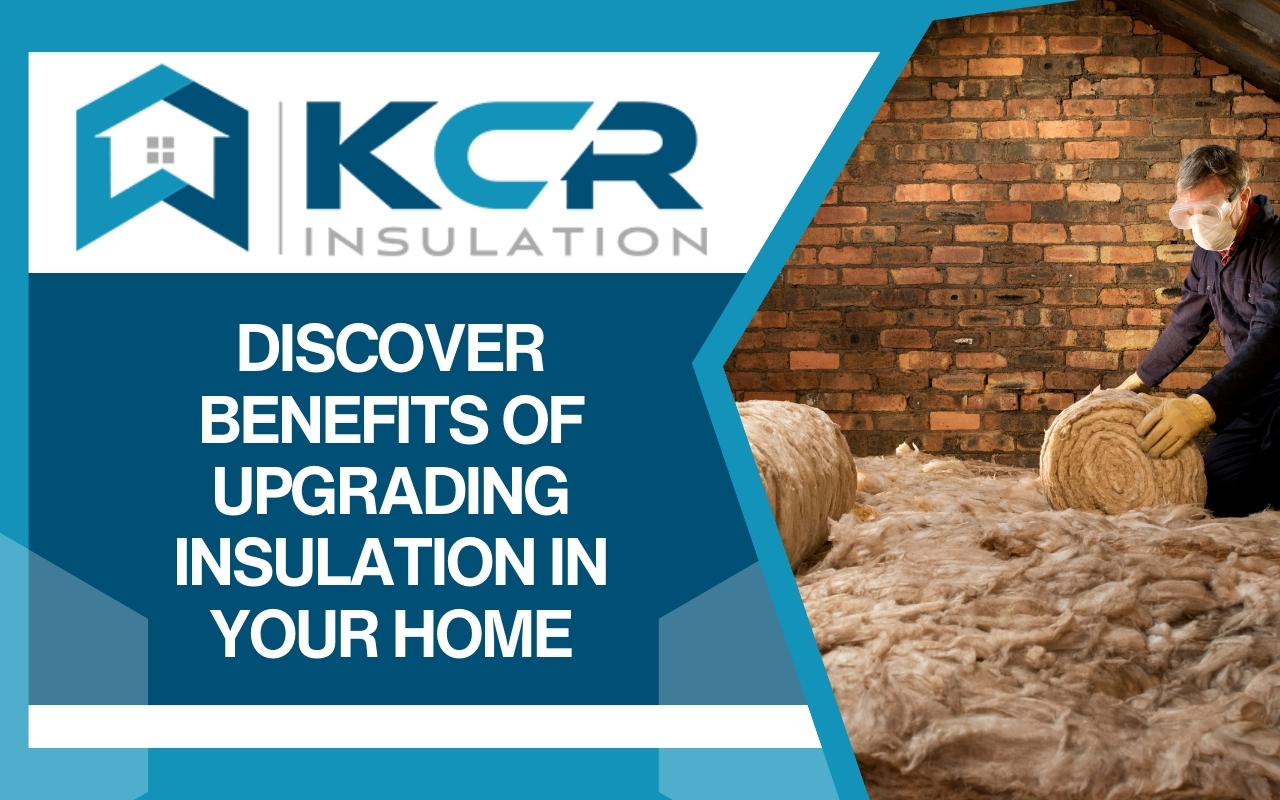
As the seasons change, so do the demands on your home’s heating and cooling systems. However, upgrading insulation is a simple way to make your living space more comfortable and energy-efficient all year round. Insulation acts as the unsung hero within your walls, quietly maintaining an ideal indoor climate while reducing energy costs. With modern insulation technology, homeowners can experience noticeable improvements in comfort and savings. Studies show that nearly 42% of household energy costs come from heating and cooling inefficiencies. This statistic highlights why the Benefits of upgrading insulation are so significant. Improved insulation also reduces noise, limits allergens, and increases property value.
Importance of Proper Insulation
Proper insulation serves as the first line of defense against harsh weather, regulating indoor temperatures year-round. By reducing heat transfer through walls, ceilings, and floors, insulation lowers the workload of heating and cooling systems. Consequently, HVAC equipment lasts longer and utility bills decrease. Understanding insulation R-values and installation techniques helps homeowners make informed decisions. Additionally, insulation prevents moisture buildup, minimizing mold growth and wood rot. It also reduces thermal bridging by covering attics, basements, and other key areas. Therefore, knowing the importance of proper insulation ensures comfort in all seasons.
Signs Your Home Needs Insulation Upgrade
Inconsistent Indoor Temperatures: Older homes may have rooms that feel cold in winter and hot in summer. Drafts around windows, doors, and lights can indicate settled or deteriorated insulation.
High Energy Bills: Rising monthly heating and cooling costs, even with regular HVAC maintenance, often signal poor insulation. Upgrading insulation can lower energy usage and improve thermal efficiency.
Moisture Damage and Mold Growth: Visible moisture, wood discoloration, or mold suggest ineffective insulation. Proper insulation upgrades help prevent structural damage and improve indoor air quality.
Types of Insulation Materials
Homeowners can choose from fiberglass batts, cellulose loose-fill, spray foam, and rigid foam boards. Fiberglass is affordable and easy to install, though gaps may form if cut incorrectly. Cellulose is eco-friendly and ideal for attics and wall cavities. Spray foam provides high R-values and air sealing for irregular spaces. Rigid foam boards offer consistent thermal resistance in basements and crawl spaces. Selecting the right material depends on budget, climate, and home areas. Often, combining materials yields the best performance.
For more information about spray foam solutions, visit our spray foam insulation page.
Benefits of Upgrading Insulation for Energy Efficiency
Reduced Energy Consumption and Lower Utility Bills: Upgrading insulation creates a more efficient building envelope, minimizing heat loss in winter and gain in summer. Consequently, homeowners enjoy lower energy costs. The Benefits of upgrading insulation extend beyond savings, improving comfort and HVAC longevity.
Environmental Benefits and Smaller Carbon Footprint: Less energy usage means fewer greenhouse gas emissions. Homeowners contribute to sustainability efforts by choosing better insulation.
Extended HVAC System Lifespan and Reduced Maintenance Costs: Improved insulation reduces system strain, leading to lower maintenance and fewer repairs. Investing in insulation offers both immediate and long-term rewards.
Enhancing Comfort Through Improved Insulation
Insulation creates even temperature distribution, eliminating cold spots in winter and hot areas in summer. Properly sealed insulation reduces drafts and maintains a cozy atmosphere. Better comfort increases household satisfaction and reduces constant thermostat adjustments.
Impact of Insulation on Noise Reduction
Insulation also dampens sound, providing a quieter interior. Dense fiberglass or mineral wool absorbs noise effectively. Homes near busy streets benefit greatly, turning interiors into peaceful sanctuaries.
Allergen Reduction with Upgraded Insulation
Sealing gaps with insulation limits dust, pollen, and other allergens. Controlling moisture prevents mold growth, further improving indoor air quality. Consequently, the Benefits of upgrading insulation include a healthier living environment for sensitive individuals and families.
Increasing Property Value with Better Insulation
Energy efficiency is highly valued by prospective buyers. Upgraded insulation signals a well-maintained home and can justify higher resale prices. Homes with improved comfort and energy savings tend to sell faster. Thus, the Benefits of upgrading insulation also translate to increased property value.
Professional vs. DIY Insulation Upgrades
Simple projects like laying fiberglass batts can be DIY. However, professional contractors ensure proper air sealing, R-values, and full coverage, especially for spray foam or cellulose. Professionals save time, avoid mistakes, and guarantee long-term performance. Learn more about our professional insulation services for optimal results.
Frequently Asked Questions
What are the primary benefits of upgrading insulation?
Upgrading insulation lowers heating and cooling costs, improves comfort, reduces noise, and enhances indoor air quality by sealing out allergens.
How do I know if my home’s insulation needs an upgrade?
Indicators include uneven room temperatures, drafts, rising energy bills, or visible moisture and mold on walls.
Which type of insulation material is best for my home?
Material choice depends on climate, budget, and target areas. Fiberglass is economical, spray foam seals irregular spaces, and cellulose is eco-friendly.
Can I install insulation myself or should I hire a professional?
Simple projects may be DIY, but complex installations benefit from professional expertise to ensure proper coverage and performance.
How long does insulation last before it needs replacement?
Insulation typically lasts 20-30 years. Moisture, pests, and settling may reduce lifespan. Routine inspections help determine the need for upgrades.
Transforming Your Living Environment through Insulation
Upgrading insulation delivers reduced energy bills, improved comfort, noise reduction, and better air quality. Whether DIY or professional, investing in insulation creates a healthier, quieter, and sustainable home. Explore the contact page to schedule a consultation and unlock the full potential of your living space.