
Imagine a home that stays cozy in winter and cool in summer while lowering energy bills. This is possible with spray foam insulation. Moreover, it represents an effective solution for those seeking comfort and efficiency combined.
In today’s world, where sustainability and savings matter, modern solutions like spray foam insulation become essential. So, what is spray foam insulation? It’s an innovative material transforming energy efficiency and indoor comfort.
Unlike traditional insulation, spray foam expands on application, filling every gap. Therefore, it creates a superior seal that minimizes energy waste. Additionally, it promotes long-term sustainability, making it a wise choice for homeowners.
Understanding Spray Foam Insulation
When asking, what is spray foam insulation? you discover a two-component mixture—polyol resin and isocyanate. When combined, it expands and forms an airtight barrier. This property ensures that homes remain sealed against drafts and moisture.
It adheres to walls, roofs, and floors, filling cavities missed by traditional insulation. Furthermore, its R-value is significantly higher than many conventional options. Closed-cell foam delivers R-6 to R-7 per inch, while open-cell averages R-3.5 per inch.
In addition, spray foam strengthens structures, reduces sound, and resists moisture. Consequently, more professionals and homeowners choose it over fiberglass, cellulose, or mineral wool.
Types of Spray Foam Insulation
- Open-Cell Spray Foam: Expands to fill gaps, reduces noise, and offers cost-effective coverage despite lower R-value.
- Closed-Cell Spray Foam: Provides higher R-value, moisture resistance, and structural strength—ideal for areas exposed to humidity.
- Medium-Density Spray Foam: Balances cost, performance, and support, suitable for homes and commercial buildings.
- High-Density Spray Foam: Used in commercial or industrial projects needing maximum insulation and strength.
- Biodegradable Spray Foam: Eco-friendly, sustainable, and made from renewable resources.
How Spray Foam Insulation Works
Spray foam insulation works by expanding into a solid form after being sprayed as a liquid. This process fills gaps and seals surfaces tightly. As a result, it prevents air leakage and enhances energy performance.
What is spray foam insulation if not versatile? It adapts to walls, crawl spaces, or attics with ease. Additionally, it ensures heat stays inside during winter and outside in summer. Hence, it delivers consistent comfort year-round.
Benefits of Using Spray Foam Insulation
Spray foam offers multiple benefits beyond temperature regulation. First, it provides excellent R-value in a thinner layer, saving space. Second, it reduces drafts, cutting energy use and prolonging HVAC system life.
Another benefit is moisture control. Closed-cell acts as a vapor barrier, while open-cell allows controlled permeability. Both enhance structural strength. Furthermore, spray foam reduces greenhouse gas emissions by lowering energy demand.
For those exploring energy upgrades, consider spray foam insulation in Dallas with expert installers who ensure maximum performance.
Application Process of Spray Foam Insulation
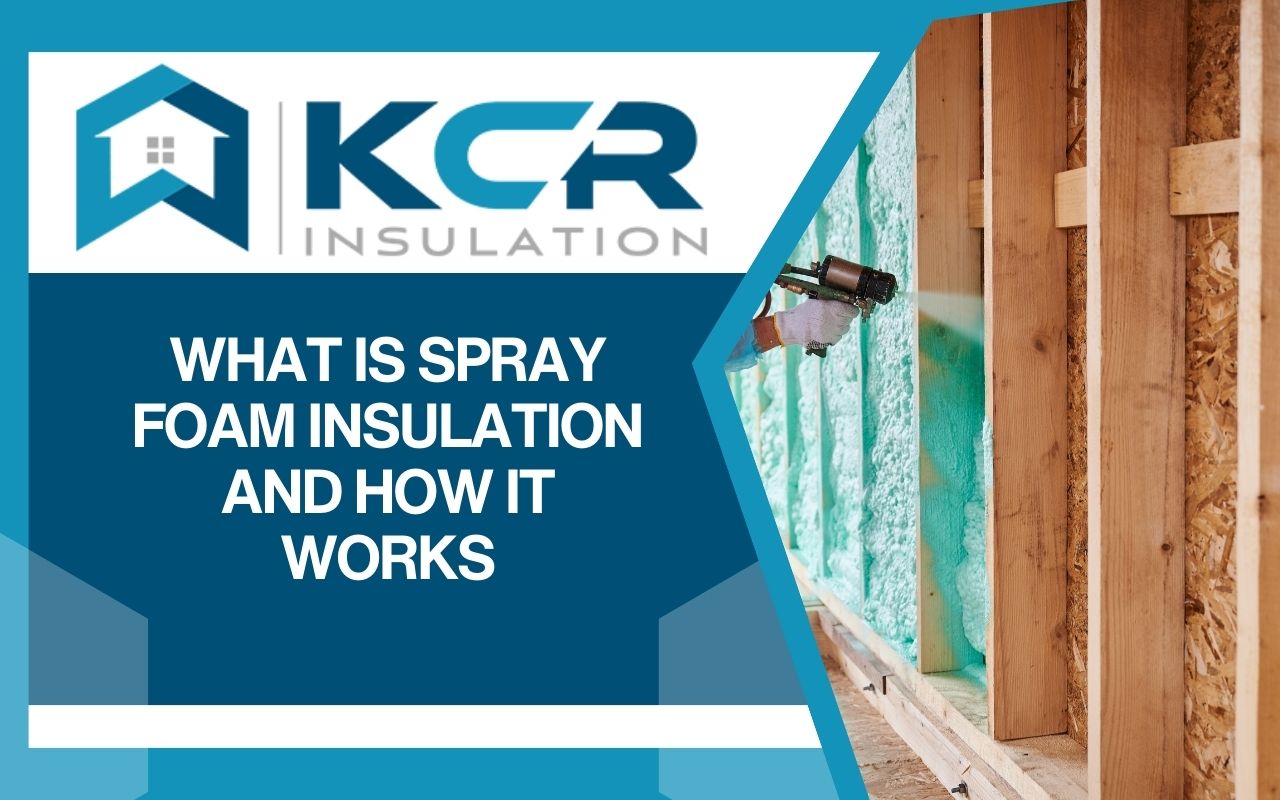
The process begins with inspection and preparation. Installers wear protective gear and use specialized equipment. The two liquid components mix at the nozzle, expanding on contact. Layers are applied gradually to achieve desired thickness.
Once cured, foam is trimmed and covered as needed. Quality checks follow to ensure consistent results and air tightness. Ultimately, proper installation ensures efficiency and long-term durability.
Cost Considerations for Spray Foam Insulation
Spray foam insulation requires higher initial investment than fiberglass or cellulose. Yet, the energy savings often justify the cost. Homeowners may save up to 50% on heating and cooling bills.
Additionally, incentives, tax credits, and rebates can improve return on investment. Moreover, its durability—often lasting over 30 years—reduces replacement expenses. Consequently, it becomes a cost-effective choice over time.
If you’re considering insulation solutions, explore our full insulation services for expert guidance.
Maintenance Tips for Spray Foam Insulation
- Inspect regularly for cracks or damage caused by shifting structures.
- Seal minor voids with compatible foam sealant to maintain air barriers.
- Protect exposed areas from UV rays and manage ventilation to avoid moisture issues.
Common Misconceptions About Spray Foam Insulation
Many believe spray foam is too costly. However, lifecycle savings prove otherwise. Some worry about safety, yet once cured, foam is stable and safe. Concerns about open-cell’s permeability also overlook its excellent thermal performance.
Through solid education, misconceptions fade, and homeowners can decide wisely. Interested in professional help? Contact our team to learn more today.
FAQs About Spray Foam Insulation
What is spray foam insulation?
It’s a two-part liquid that expands into foam, sealing gaps for improved energy efficiency and comfort.
Is spray foam insulation safe?
Yes, once cured, it becomes inert and safe. Proper installation minimizes risks during the process.
How long does spray foam insulation last?
Spray foam can last over 30 years, maintaining performance with minimal maintenance.
Can spray foam help reduce energy bills?
Absolutely, it lowers heating and cooling costs by sealing leaks and improving thermal resistance.
Final Thoughts
Now you understand, what is spray foam insulation? It’s a modern, efficient solution that ensures comfort, energy savings, and durability. Whether you want to enhance comfort or reduce costs, spray foam is a smart investment for any property.