
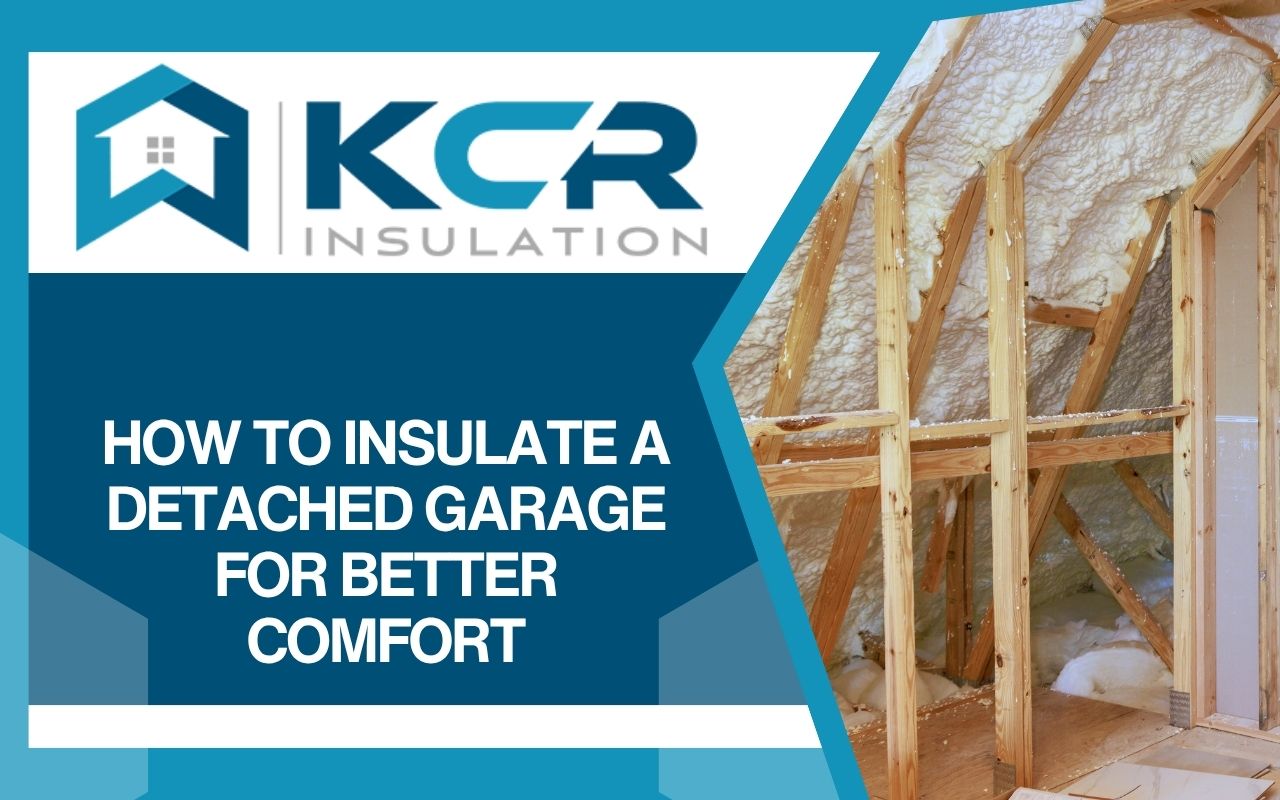
If you want to make better use of your garage year-round, learning how to insulate a detached garage is a smart move. Detached garages are more exposed to temperature swings, moisture, and air leaks, which can limit how you use the space and even damage what’s inside.
Whether you’re using it for storage, as a workshop, or converting it into a home gym, proper garage and metal building insulation will make a noticeable difference.
Why Detached Garages Need Insulation
More Exposure to Weather
Detached garages don’t benefit from the heating and cooling effects of your main home. That means in the summer, they get hotter, and in the winter, they can feel like a freezer. Without insulation, it’s hard to spend time there comfortably.
Protects More Than Just Comfort
Insulating your detached garage helps protect vehicles, tools, paints, and equipment from extreme temperatures and moisture. It also keeps dust and pests out by sealing gaps and cracks in the structure.
How to Insulate a Detached Garage: Step-by-Step
To properly insulate your garage, follow these key steps:
- Seal Air Leaks
Start by caulking or foaming around windows, doors, and any wall gaps. This prevents drafts and heat loss. - Choose the Right Insulation Material
Spray foam is ideal for garages because it insulates and seals in one step. Fiberglass and rigid foam boards are also options, but may need more prep. - Insulate Walls and Ceilings
Apply insulation between wall studs and ceiling joists. For maximum performance, ensure every area is covered—especially in metal buildings. - Insulate the Garage Door
Garage doors are often overlooked. Consider using foam board panels or pre-insulated doors to reduce heat transfer. - Consider Vapor Barriers and Drywall
In humid areas, adding a vapor barrier helps control moisture. Covering insulation with drywall adds protection and a finished look.
Best Materials for Garage and Metal Building Insulation
Closed-cell spray foam is highly effective for detached garages, especially those built from metal. It offers a superior R-value, seals air leaks, and resists moisture. Open-cell foam may also work well for soundproofing and interior wall cavities.
Rigid foam boards are another option, offering good insulation for walls and ceilings when installed with care. Fiberglass batts are more affordable but require additional sealing to prevent air leaks.
What to Expect After Insulating
Once your detached garage is insulated, you’ll notice more stable temperatures, less condensation, and better protection for everything inside. Whether you’re parking your car or building a workspace, insulation extends the life of your garage and makes it more usable.
You may also notice less noise from outside and a quieter experience when using power tools or equipment inside.
FAQs About Detached Garage Insulation
Does a detached garage really need insulation?
Yes. Without insulation, it’s vulnerable to heat, cold, moisture, and pests—all of which affect the structure and contents.
What’s the most effective insulation for a metal garage?
Closed-cell spray foam provides the best thermal and moisture barrier for metal buildings.
Can I insulate a detached garage myself?
Some homeowners DIY with fiberglass or foam boards, but spray foam is best installed by professionals for full coverage and safety.
Make Your Garage a Comfortable Extension of Your Property
Knowing how to insulate a detached garage helps you protect your investment and make the space more useful all year. Whether it’s a place for hobbies, storage, or weekend projects, insulation adds comfort, efficiency, and peace of mind.
Contact KCR Insulation to get expert advice on the right materials and techniques for garage and metal building insulation done right.